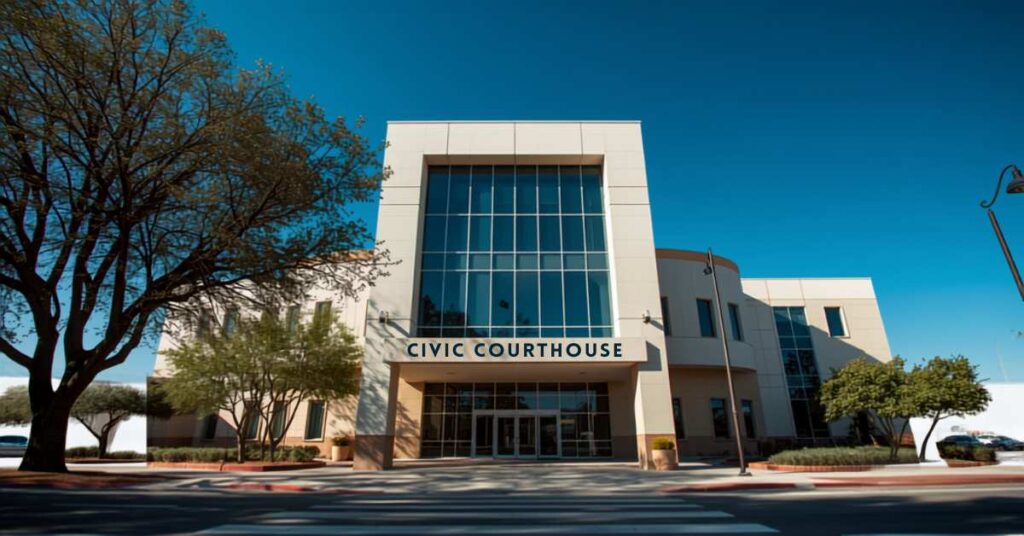
Navigating the probate process in Solano County can feel overwhelming, but understanding the key steps involved can simplify the experience. Probate, the legal process of administering a deceased person’s estate, ensures that debts are paid and assets are distributed to beneficiaries correctly. By staying informed and organized, you can manage this process more effectively.
Steps to Probate in Solano County
File the Petition
To begin, a petition for probate must be filed with the Solano County Superior Court. This petition formally alerts the court of the need to manage the deceased individual’s estate.
Notify Heirs and Creditors
It is essential to notify all heirs, beneficiaries, and creditors of the estate to ensure proper communication and transparency during the probate process.
Inventory the Estate
The executor will need to catalog the estate’s assets, including property, financial accounts, and personal belongings. This step ensures nothing is overlooked or mishandled.
Address Debts and Taxes
All debts and taxes associated with the estate must be identified and paid. This is a crucial part of resolving any financial obligations tied to the estate.
Distribute the Assets
Once all debts and taxes are settled, the remaining assets can be distributed to heirs and beneficiaries according to the will or California’s intestate succession laws if no will exists.
Additional guidance and forms can be found on the Solano County Superior Court website’s Probate Resources page.
Contact Information
For probate-related matters in Solano County, you can contact the Superior Court directly at the address below:
Handling probate in Solano County may seem daunting, but with proper preparation and understanding, it is manageable. Taking the time to learn the steps involved, staying organized, and seeking legal resources when necessary can significantly ease this process.
The probate process can quickly become costly, with ongoing bills, court fees, and attorney fees piling up. For those who need immediate financial support to manage these expenses, a probate advance offers a practical solution. Companies like Probate Lend specialize in providing advances to heirs in California, enabling them to access funds locked in the probate process without waiting for the estate to settle.
The California probate process can take 12 months or more. If you can’t wait for your inheritance, we have you covered! Our simple application and streamlined underwriting can get money in your pocket within 24 hours. Probate Lendprovides the best pricing and service for all CaliforniaCounties.
Quick Answer: Tulare County probate cases are filed with the Tulare County Superior Court, and the court accepts civil legal filings, including probate, at two locations: the County Civic Center in Visalia (221 S. Mooney Blvd, Room 201, Visalia, CA 93291, (559) 730-5000) and the South County Justice Center in Porterville (300 E. Olive, Porterville, CA 93257, (559) 782-3700). Filing a probate case costs $435 statewide, and the process typically takes 9 to 18 months from petition to closing, longer for contested or complex estates.
Two Courthouses Handle Probate Filings in Tulare County
Unlike counties with a single centralized courthouse, Tulare County accepts probate filings at two separate locations, confirmed directly on the court’s own Probate division page. Which one you use generally comes down to where in the county you or the estate is located, since both accept the same case types.
The Visalia location, at the County Civic Center, is the county’s main courthouse and also serves as the only self-help location among the court’s five facilities. The Porterville location, the South County Justice Center, serves the southern part of the county and accepts the same civil legal filings, including probate, without requiring a trip to Visalia.
Filing a Probate Case: The Basic Steps
Every California decedent’s estate probate follows roughly the same sequence, regardless of county:
File the petition with the Legal Filings Department at whichever Tulare County location is more convenient, along with the original will if one exists.
Notify heirs, beneficiaries, and creditors as required, and publish notice in a newspaper of general circulation.
Authenticate the will at the initial hearing, if one exists, and have the court formally appoint an executor or administrator.
Inventory and appraise estate assets, with real property valued by a court-appointed probate referee.
Pay valid debts and expenses out of estate funds before any distributions.
Distribute remaining assets to heirs and beneficiaries once the court approves the final accounting.
Close the estate with a final court order releasing the executor or administrator from further duty.
Whoever holds the decedent’s original will is required to lodge it with the court within 30 days of learning of the death, under Probate Code Section 8200, whether or not a petition for probate has been filed yet.
The Probate Referee: A Role Specific to Each Case
One detail the standard step-by-step guides tend to skip: real property and other non-cash assets in a Tulare County probate case aren’t self-reported for value, they go through a court-appointed probate referee, whose independent appraisal becomes part of the official Inventory and Appraisal. For Tulare County, that referee is listed on the court’s own Probate division page as a specific individual with a Hanford, CA office, appointed to value estate assets for cases filed in the county. This is a statewide requirement, not a Tulare-specific quirk, but it’s worth knowing the appraisal isn’t something the executor handles alone.
Separately, Family Court Services in Tulare County conducts all court-appointed investigations for relative guardianships and probate conservatorships, a detail relevant if the case involves a minor’s or an incapacitated adult’s estate rather than a straightforward decedent’s estate.
How Long Probate Takes in Tulare County
Most Tulare County probate cases run 9 to 18 months from the initial filing to final distribution, consistent with the statewide range. Straightforward estates with a valid will, cooperative heirs, and no contested claims tend to land toward the shorter end. Estates with real property that needs to be sold, disputes among heirs, or creditor claims that need to be resolved can push well past a year.
Covering Costs While the Estate Is Tied Up
A 9 to 18 month timeline is a long time to wait if you’re depending on an inheritance to cover bills, and the estate itself often can’t distribute funds early even when everyone agrees on who gets what. If you’re an heir to a Tulare County estate and need funds before probate closes, ProbateLend’s Tulare County probate advance provides a portion of your expected inheritance now, with no credit check and no monthly payments; repayment comes out of the estate at final distribution. See how probate advances work for the full mechanics.
Frequently Asked Questions
Which Tulare County courthouse should I file probate at?
Either the Visalia County Civic Center or the Porterville South County Justice Center accepts probate filings; both are listed as Civil Legal Filings locations on the court’s Probate division page, so the choice generally comes down to which is more convenient for you.
Do I need a lawyer to file probate in Tulare County?
California doesn’t require an attorney for probate, and the Visalia courthouse is the court’s designated self-help location if you’re representing yourself. That said, contested estates or complex assets often benefit from legal help.
What happens if I can’t find the original will?
Probate can still proceed, but the process shifts, since the court will need to determine intestate succession or work from a copy under specific evidentiary rules, rather than simply admitting the original for probate.
Who appraises real estate in a Tulare County probate case?
A court-appointed probate referee, not the executor or a private appraiser of the family’s choosing, values real property and other non-cash assets for the official Inventory and Appraisal.
Can I get money from an estate before Tulare County probate closes?
Yes, options include a family allowance for qualifying dependents, a petition for preliminary distribution, or a probate advance, which doesn’t require court approval and isn’t limited to spouses or minor children.
Tulare County’s two-courthouse setup and probate referee requirement are details worth knowing before you file, even though the core process matches the rest of California. For more on managing an inheritance in California, visit ProbateLend.
If you’re handling an estate in Sonoma County, knowing how the local probate court operates makes the process considerably less stressful. This guide covers the court’s location, hours, and filing steps, along with what to expect along the way.
Quick Answer: What Do I Need to Know About Sonoma County Probate Court?
Sonoma County Probate Court is located at the Hall of Justice, 600 Administration Drive, Room 107-J, Santa Rosa, CA 95403, and can be reached at (707) 521-6500. Filing starts with a Petition for Probate (Form DE-111), followed by notifying beneficiaries and creditors, inventorying assets, paying debts, and distributing what remains. Most Sonoma County probate cases take 9 to 18 months, depending on the estate’s complexity and whether disputes arise.
What Is Probate, and Why Does It Matter?
Probate is the legal process that oversees the distribution of a deceased person’s estate. If there’s a valid will, the court confirms it and supervises the distribution of assets to the named heirs. Without a will, the court distributes the estate according to California’s intestacy laws. For a deeper explanation of probate terminology, see our California probate terms glossary.
Sonoma County Probate Court Location, Contact Information, and Hours
Navigating probate often involves in-person visits or direct communication with the court. Here’s what you need to find and reach Sonoma County Probate Court.
Address:
Hall of Justice 600 Administration Drive Room 107-J Santa Rosa, CA 95403
Phone Number:
(707) 521-6500
Operating Hours:
The court is generally open Monday through Friday, 8 a.m. to 4 p.m., excluding court holidays. It’s best to call ahead to confirm hours, since they can vary.
Parking Information:
Parking is available near the Hall of Justice building. Allow extra time, since spaces can fill up quickly during busier hours.
What Cases Are Handled by Sonoma County Probate Court?
Sonoma County Probate Court handles legal matters related to estates, trusts, and certain guardianships or conservatorships. Common case types include estate administration (resolving disputes and overseeing asset distribution after someone’s death), validation of wills, guardianship cases involving minors, and conservatorship cases for adults who can’t manage their own affairs.
Steps for Filing Probate in Sonoma County
Probate in Sonoma County follows California’s general probate process. Here’s what filing typically involves.
1. File a Petition for Probate
Start by filing a petition with the court, typically the Petition for Probate (Form DE-111), along with the required filing fee, which varies by estate size.
2. Notify Interested Parties
Once filed, you’re required to notify all beneficiaries, creditors, and other concerned parties about the proceedings.
3. Inventory and Appraisal of Assets
The estate’s assets need to be inventoried and appraised to establish an accurate value for the estate.
4. Pay Debts and Taxes
Outstanding debts and applicable taxes are paid out of the estate before any assets are distributed to heirs.
5. Distribute Assets
Once debts and taxes are settled, remaining assets are distributed to heirs and beneficiaries according to the will or California’s intestacy laws.
Tips for Navigating Sonoma County Probate Court
A few things make the process noticeably smoother. Working with an experienced probate attorney can save time and help avoid costly mistakes, even though it’s possible to handle probate without one. Keeping documents organized (death certificate, will, inventory forms) and submitted on time keeps the case moving. It also helps to track court deadlines carefully, since missing a filing window can add months to an already slow process.
Need Funds? ProbateLend Can Help
Probate often takes months, sometimes longer, leaving heirs waiting to access money that’s already theirs. If you’re facing expenses while a Sonoma County case works its way through court, a probate advance gives you access to a portion of your expected inheritance now instead of waiting for the estate to close. There’s no credit check and no monthly payment, just a flat fee deducted from your share once the estate distributes.
Frequently Asked Questions
How long does probate take in Sonoma County?
Most cases take 9 to 18 months, depending on the estate’s size and complexity and whether beneficiaries or creditors dispute anything.
What happens if there’s no will?
When someone dies without a will, the court distributes the estate according to California’s intestacy laws, which prioritize close relatives like spouses and children.
Can I avoid probate in Sonoma County?
Some assets can bypass probate entirely, including those held in a living trust, jointly owned property with rights of survivorship, and accounts with named beneficiaries, such as retirement accounts or life insurance policies.
Do I need a lawyer to file probate in Sonoma County?
No, it’s not required, but an experienced probate attorney can help you avoid procedural mistakes that slow the case down or create liability.
Can I get money from an estate before Sonoma County probate closes?
Yes. An inheritance advance lets eligible heirs access part of their expected share before the estate distributes, without waiting for the court process to finish.
The California probate process can take 12 months or more. If you can’t wait for your inheritance, we have you covered! Our simple application and streamlined underwriting can get money in your pocket within 24 hours. Probate Lendprovides the best pricing and service for all CaliforniaCounties.
If you’re about to file a probate case in Stanislaus County, getting the address right matters more than you’d think, the county actually splits probate matters across two different courthouses depending on the case type. Here’s what you actually need to know before you go.
Quick Answer: Where Do I File Probate in Stanislaus County?
Decedent’s estates, trusts, and regular conservatorships are filed at the City Towers Courthouse, Civil and Probate Division, 801 10th Street, Fourth Floor, Modesto, CA 95354, (209) 530-3100. Guardianships of minors, LPS-only conservatorships, and adoptions are handled at a separate building, the Main Courthouse at 800 11th Street. Probate hearings are calendared Tuesday through Friday at 8:30am, and the statewide filing fee for an initial probate petition is $435.
Where Stanislaus County Probate Cases Are Actually Filed
This is the detail that trips people up: Stanislaus County’s probate matters aren’t all handled in one building. Decedent’s estates, trusts, and conservatorships go through the Civil and Probate Division at the City Towers Courthouse, 801 10th Street, Fourth Floor, Modesto, CA 95354, (209) 530-3100, open Monday through Friday, 8:15am to 4:00pm. Guardianships of minors, LPS-only conservatorships, and adoptions are instead handled at the Main Courthouse, 800 11th Street, through the First Floor “I” Street entrance. If you’re filing a standard estate or trust matter and show up at the wrong building, you’ll need to backtrack, so confirm which category your case falls into before you go.
Probate Hearing Schedule and Lodging a Will
Probate matters at the City Towers Courthouse are calendared for hearing Tuesday through Friday at 8:30am; every petition or application requiring a hearing gets assigned a date when it’s filed. Separately, if you’re holding a deceased person’s original will, California law requires you to deliver it to the court for safekeeping within 30 days of the death, or within 30 days of learning of the death, under Probate Code Section 8200. A $50 lodging fee applies, and the will must be delivered specifically to the Probate Unit at 801 10th Street, Fourth Floor, along with a cover sheet available from the clerk’s office or the court’s forms page.
Documents and Fees for Filing Probate
Opening a probate case in Stanislaus County requires the same core paperwork as anywhere else in California: the Petition for Probate (Form DE-111), the death certificate, the original will if one exists, the Notice of Petition to Administer Estate (Form DE-120), and eventually an Inventory and Appraisal (Form DE-160) once the estate’s assets are identified. The statewide initial filing fee is $435. For a closer look at the Letters of Administration or Letters Testamentary you’ll receive once the court approves your petition, see our complete guide to California letters of administration.
Guardianship, Conservatorship, and Adoption Timelines
Beyond decedent’s estates, the Probate Division handles guardianships, conservatorships, and adoptions, each with its own timeline. Conservatorship hearings are typically scheduled 45 to 60 days after the Petition for Appointment of Conservator is filed, and anyone filing must first purchase (or download free from the state courts website) the Conservator’s Handbook before the court will consider the petition. Adoption hearings are scheduled 15 to 20 days after filing, but only once the Department of Social Services has submitted its required report, and those hearings are calendared through the Family Law Clerk’s Office at 1100 I Street, a third Stanislaus County location separate from both probate buildings.
Working With the Court’s Probate Referee
Every California probate case involving non-cash assets, real estate, vehicles, business interests, needs a court-appointed probate referee to appraise them. Stanislaus County’s assigned referee is Steven G. Pallios, reachable at (209) 571-3251 or by mail at P.O. Box 1612, Oakdale, CA 95361. The State Controller’s office also publishes a Probate Referee’s Guide covering how appraisals and inventories are supposed to work, useful background if you’re completing an Inventory and Appraisal for the first time.
Need Funds? ProbateLend Can Help
Waiting on a Stanislaus County probate case to work through the court, especially with conservatorship or estate matters that can stretch past a year, doesn’t have to mean waiting on your inheritance too. ProbateLend offers a Stanislaus County probate advance that gives heirs access to a portion of their expected inheritance now, with repayment coming only from the estate at final distribution.
Frequently Asked Questions
Do all Stanislaus County probate cases go to the same courthouse?
No. Decedent’s estates, trusts, and regular conservatorships are filed at the City Towers Courthouse (801 10th Street), while guardianships of minors, LPS-only conservatorships, and adoptions are filed at the Main Courthouse (800 11th Street), a separate building entirely.
What happens if I don’t lodge a will with the court in time?
Probate Code Section 8200 requires delivering the original will to the court within 30 days of the death or of learning of the death, along with a $50 fee. Missing that window doesn’t erase the requirement, the will still needs to be lodged, but delays can complicate the timeline for opening probate and notifying heirs.
Why does a conservatorship petition require buying a handbook first?
The Conservator’s Handbook, available for purchase through the Probate division or as a free download from the state courts website, explains a conservator’s legal responsibilities before they’re appointed. The court requires it be obtained before considering the petition, including temporary conservatorship requests.
How is a probate referee different from the judge handling my case?
The judge oversees the legal proceeding itself. The probate referee is a separate, state-appointed appraiser who values non-cash estate assets like real property and vehicles for the Inventory and Appraisal, a specific, narrower role than the court’s.
Can I get a probate advance before a Stanislaus County case has an appointed executor?
Generally you’ll need an open case with some initial court activity, but an advance doesn’t require the case to be near closing. ProbateLend works with the petition for probate and case documents at any stage after filing to estimate an heir’s expected share.
Between the two courthouses, the hearing schedule, and the paperwork requirements, Stanislaus County probate has more moving pieces than a single address can capture. If you need cash while your case works through the court, ProbateLend can help.
Quick Answer: Filing a San Mateo County decedent’s estate probate case requires two initial forms, the DE-111 Petition for Probate and DE-121 Notice of Petition to Administer Estate, plus publishing notice within 30 days of filing under the court’s local Form PR-13. Before Letters are actually issued, several more forms are required, including a request for a court-appointed probate referee. Tentative rulings on probate matters post by 3pm the court day before the hearing, and the Probate Court Investigator’s Office (a separate contact from the general clerk) handles guardianship and conservatorship investigations specifically.
What You Actually Need to File the Initial Petition
San Mateo County’s Probate Division lists the exact forms required for an initial decedent’s estate filing, confirmed directly on the court’s own Petition Documents page: the DE-111 Petition for Probate and the DE-121 Notice of Petition to Administer Estate. If a will exists, the original must be lodged with the court before the hearing date, not just referenced or copied. The Order for Probate and copies need to be submitted at least 7 days before the hearing date, and if you want a stamped copy mailed back, you need to include a self-addressed, stamped envelope, an easy detail to miss.
The court also requires publication of notice within 30 days of the filing date, following the specifics on the court’s local Form PR-13 for newspaper listings, a statewide requirement but one with San Mateo’s own local form governing exactly how it’s documented.
More Paperwork Before Letters Are Actually Issued
Getting your petition granted at the hearing isn’t the end of the paperwork. Before the court will issue Letters Testamentary or Letters of Administration, San Mateo requires several additional forms: the DE-147 Duties and Liabilities of Personal Representative, the DE-147S confidential statement of birth date and driver’s license number, a local Form PR-5 request for appointment of a California probate referee, a bond if the court’s order specifies one, the DE-140 Order for Probate, and the DE-150 Letters themselves. Skipping any of these delays the point where you can actually act on the estate’s behalf.
Tentative Rulings Post the Day Before, Not the Day Of
If you have a probate hearing on the calendar, don’t wait until the morning of to check where things stand. San Mateo’s Probate Department posts tentative rulings by 3:00pm the court day before the scheduled hearing, under Local Rule 4.1(B), organized into separate pages by day of the week rather than one combined list. Rulings stay posted for 5 calendar days. Checking the tentative ruling in advance tells you whether you need to actually appear and argue, or whether the tentative is likely to become the final order.
A Separate Contact for Guardianship and Conservatorship Investigations
If your matter involves a guardianship or conservatorship rather than a straightforward decedent’s estate, San Mateo routes investigation-related questions through the Probate Court Investigator’s Office specifically, a different contact than the general Probate Clerk’s Office. Worth knowing before you spend time calling the wrong number. Note also that the Clerk’s Office phone hours are narrower than the courthouse’s general hours, Monday through Friday 8:30am to 1:00pm only, and in-person office visits require an appointment, walking in without one won’t guarantee you’re seen.
Need Cash Before the Estate Closes?
Filing the paperwork correctly is only the start, California probate typically runs 9 to 18 months from petition to final distribution. If you’re an heir expecting an inheritance from a San Mateo County estate and need funds sooner, ProbateLend’s San Mateo County probate advance provides a portion of your expected share now, no credit check, no monthly payments, repayment comes out of the estate at final distribution. See how probate advances work more broadly, and our San Mateo County probate guide for location, hours, and the 2022 rule changes on temporary guardianships and conservatorships.
Frequently Asked Questions
What forms does San Mateo County require to open a decedent’s estate probate case?
The DE-111 Petition for Probate and DE-121 Notice of Petition to Administer Estate, plus the original will if one exists, lodged with the court before the hearing.
How do I check a San Mateo probate tentative ruling before my hearing?
The court posts tentative rulings by 3:00pm the court day before the hearing, organized by day of the week on the Probate Department Tentative Rulings page, retained online for 5 calendar days.
Who do I contact about a guardianship or conservatorship investigation in San Mateo County?
The Probate Court Investigator’s Office handles these specifically, a separate contact from the general Probate Clerk’s Office that handles filing questions.
Can I walk into the San Mateo Probate Clerk’s Office without an appointment?
No, in-person office hours are by appointment only, and phone hours are limited to Monday through Friday, 8:30am to 1:00pm.
What happens after the court grants my petition for probate?
Letters aren’t issued automatically. You still need to submit the DE-147 duties and liabilities statement, a request for a probate referee, any required bond, and the DE-140 Order for Probate before the DE-150 Letters are actually issued.
San Mateo County’s probate paperwork has more steps after the initial hearing than most people expect. For more on managing an inheritance in California, visit ProbateLend.
Navigating the probate process can feel daunting, especially during an emotionally challenging time. If you’re dealing with estate matters in San Joaquin County, understanding how the San Joaquin Probate Court operates is crucial. This guide will explain what probate is, provide practical insights into the San Joaquin County Probate Court, and equip you with the address and contact details you need to proceed confidently.
What is Probate?
Probate is the legal process of administering a deceased person’s estate. This includes validating their will (if one exists), paying off debts, and distributing assets to heirs or beneficiaries. While probate laws vary by state, California’s probate process involves specific steps overseen by the Superior Court, including San Joaquin County Probate Court for local cases.
What Does the San Joaquin County Probate Court Handle?
The San Joaquin County Probate Court is a division of the Superior Court of California. This court oversees various legal matters related to estates, trusts, conservatorships, and guardianships. Here’s a summary of the key services they provide:
1. Estate Administration
The court facilitates the distribution of a deceased person’s assets under a valid will or, if there’s no will, according to California’s intestate succession laws.
2. Will Validation
If someone left behind a will, the court will confirm its validity. This is a crucial step to ensure the person’s wishes are legally recognized.
3. Appointment of Executors or Administrators
The court appoints an executor (named in the will) or an administrator (if there’s no will) to oversee the probate process.
4. Resolving Contested Wills
If there are disputes about the validity of a will or disagreements among heirs or beneficiaries, the court will step in to resolve the matter.
5. Conservatorships and Guardianships
This division of the court also handles cases where conservators or guardians need to be appointed to manage the personal or financial affairs of individuals unable to do so themselves.
Address and Contact Information for San Joaquin Probate Court
If you need to file paperwork or attend probate-related hearings, you’ll need the court’s contact information. The San Joaquin County Probate Court operates under the San Joaquin Superior Court, and here’s where to find them:
Address:
San Joaquin County Superior Court
Stockton Courthouse – Probate Division
180 E. Weber Ave.
Stockton, CA 95202
Phone Number:
(209) 992-5555
Operating Hours:
Monday through Friday, 8:00 AM to 5:00 PM (excluding court holidays).
Parking Information:
There’s parking available near the Stockton courthouse. Street parking and a public parking structure are also options within walking distance.
Step-by-Step Guide to Navigating Probate in San Joaquin County
Probate doesn’t have to feel overwhelming. Below is a simplified guide to help you understand the process when dealing with the San Joaquin Probate Court.
Step 1: File the Will and Petition for Probate
Start by filing the deceased person’s will (if one exists) and a Petition for Probate with the San Joaquin Probate Court. This officially initiates the probate process. You’ll also pay a filing fee at this stage.
Step 2: Notify Beneficiaries and Creditors
The executor or administrator must notify all beneficiaries and known creditors of the probate proceedings. This often involves publishing a notice in a local newspaper.
Step 3: Inventory and Appraise the Estate
California law requires a detailed inventory of all estate assets, including real estate, bank accounts, stocks, and personal belongings. The court may appoint a probate referee to assign a value to these items.
Step 4: Resolve Debts and Taxes
Before distributing assets, the estate must settle any outstanding debts and pay applicable taxes.
Step 5: Distribute Remaining Assets
Once all liabilities have been addressed, the executor or administrator distributes the remaining assets to heirs and beneficiaries as outlined in the will or under California law.
Step 6: Close the Estate
Finally, the executor files a petition to close the estate, which the court must approve. At this point, the probate process is officially complete.
What to Keep in Mind About San Joaquin Probate Court
Here are a few tips and reminders to streamline the process:
Be Prepared to Wait: Probate in California can take anywhere from 9 months to over a year, depending on the complexity of the estate.
Fees Can Accumulate: Be mindful of filing fees, attorney fees, and other costs associated with the process.
Seeking Legal Advice is Beneficial: Navigating probate can be simpler with the help of a qualified probate attorney, especially in complex cases.
Follow Deadlines Strictly: The court enforces deadlines for filing and responding to paperwork. Missing these could delay the process.
Wrapping Things Up
Dealing with probate might feel overwhelming, but understanding the processes at the San Joaquin Probate Court can make a world of difference. Knowing the court’s services, following the necessary steps, and having essential contact information on hand will help you manage this period more effectively.
To streamline the process, consider the services of a probate advance provider. Specializing in California, Probate Lend offers probate advances that provide quick access to funds tied up in an estate. This allows you to cover expenses like legal fees or immediate financial needs without waiting for the probate process to finalize.
The California probate process can take 12 months or more. If you can’t wait for your inheritance, we have you covered! Our simple application and streamlined underwriting can get money in your pocket within 24 hours. Probate Lendprovides the best pricing and service for all CaliforniaCounties.
Navigating the probate court process in Kern County, California, might seem overwhelming, especially if you’re facing it for the first time. However, understanding how it works and what to expect can make the experience much more manageable. Whether you’re dealing with the estate of a loved one or planning to set your affairs in order, learning about the Kern County probate process is a vital first step.
What is Probate?
Probate is the legal process through which the court oversees the distribution of a person’s estate after their death. This process ensures that debts and taxes are paid, and remaining assets are distributed to heirs or beneficiaries. Kern County Probate, like other probate proceedings in California, is managed by the Superior Court of California.
Understanding the Kern County Probate Court
Here’s what you need to know about the Kern County Probate Court:
Jurisdiction: The Kern County Superior Court handles a range of probate matters, including estates, wills, conservatorships, guardianships, and trusts.
Filing Location: All probate cases for Kern County are filed at the Superior Court location in Bakersfield.
Role of the Court: The court ensures the decedent’s will (if they left one) is valid, appoints an executor or administrator to manage the estate, and oversees the probate process and the final distribution of assets.
Steps in the Kern County Probate Process
Here’s a simplified breakdown to help you understand the process:
Filing a Petition
The process starts when the executor (typically the person named in the will) files a petition for probate with the Kern County Superior Court. If there’s no valid will, a family member can file for administration of the estate.
Hearing Scheduled
Once the petition is filed, the court sets a hearing date to determine whether the will is valid and to officially appoint the executor or administrator.
Notifying Interested Parties
Notices must be mailed to all heirs, beneficiaries, and creditors and published in a local newspaper.
Inventory and Appraisal of Assets
The executor/administrator compiles an inventory of the estate’s assets and has them appraised.
Paying Debts and Taxes
Before distributing assets, the estate must first address outstanding debts, taxes, and funeral expenses. If you’ve received a probate advance, this is also when the court settles the payment with the probate advance company.
Distribution of Assets
Finally, the executor or administrator, distributes the remaining assets to the rightful heirs or beneficiaries, concluding the probate process.
Why Kern County Probate Might Be Required
Probate is generally required when the deceased’s estate includes assets worth over $184,500 (as of California’s current probate threshold) that aren’t jointly owned or placed in a trust. Additionally, settling disputes regarding wills, property distribution, or guardianships may require the court’s intervention.
Simplifying Probate in California
Navigating California’s probate process can be both complicated and time-consuming. Hiring a skilled probate attorney is a worthwhile investment, as their expertise can help streamline the process, potentially saving you months by ensuring all forms are accurately completed and submitted on time.
How to Contact the Kern County Probate Court
The Kern County Probate Division is located at:
Superior Court of Kern County, Metro Branch
1415 Truxtun Avenue, Bakersfield, CA 93301
You can contact the Kern County Probate Division by phone at (661) 868-5393.
Final Thoughts
Understanding the Kern County probate process in California is an essential step toward managing an estate effectively. While the process can feel daunting, knowing what to expect and seeking professional help when needed can significantly reduce stress.
During this challenging time, you may find yourself needing funds to cover attorney fees, funeral costs, or everyday expenses. This is where a probate advance can be a lifesaver. A company like Probate Lend, specializing in California, can help you access funds—often within 24 hours—providing much-needed financial relief when you need it most.
The California probate process can take 12 months or more. If you can’t wait for your inheritance, we have you covered! Our simple application and streamlined underwriting can get money in your pocket within 24 hours. Probate Lendprovides the best pricing and service for all CaliforniaCounties.
If you’re waiting on an inheritance and considering a probate advance, the company you choose matters just as much as the decision to get an advance in the first place. Not every provider operates the same way, and picking the wrong one can cost you more than it should. Here’s how to evaluate your options.
Quick Answer: How Do I Find a Good Probate Advance Company?
Look for a company that offers non-recourse terms (meaning you’re never personally liable beyond your inheritance), discloses its costs upfront in writing, has verifiable customer reviews, and has real experience with probate law in your state. Get quotes from at least two or three providers before committing, and be wary of any company that pressures you to sign quickly or won’t put its terms in writing.
What Is a Probate Advance?
A probate advance, sometimes called an inheritance advance, lets an heir receive a portion of their expected inheritance in cash before the estate finishes probate. Because the advance is repaid from the estate at distribution rather than out of your own pocket, a properly structured advance is non-recourse: if the estate ultimately can’t cover the full amount, the provider absorbs the loss, not you. For a fuller walkthrough of how the process works, see our guide to how probate advances work.
Key Factors to Consider When Choosing a Provider
Transparency of Terms
A reputable company puts everything in writing before you sign anything: how much of your inheritance you’ll receive upfront, what happens if the estate turns out to be worth less than expected, and any conditions attached to repayment. If a company is vague about any of this over the phone, ask for it in writing before moving forward.
Cost and Fee Structure
Costs vary by provider, and the details matter more than the headline number. Ask what percentage of your inheritance the company retains, whether there are separate application or processing fees on top of that, and whether the rate changes if probate runs longer than expected. Depending on the provider and how long the case takes, advances commonly work out to somewhere in the 30% to 35% range of the inheritance amount being advanced against, so use that as a rough benchmark when comparing quotes. For a deeper breakdown of what drives that cost, see our guide to probate advance fees and rates.
Customer Reviews and Reputation
Check reviews on Google and Trustpilot, and look for a track record rather than a handful of recent testimonials. A company’s Better Business Bureau rating is also worth a quick look; ProbateLend, for example, holds an A+ BBB rating. Ask the provider directly for references if you want more than online reviews to go on.
Processing Speed
Most established providers can fund a straightforward, uncontested case within 24 to 48 hours of approval, sometimes the same day. If a company can’t give you a clear timeline or quotes something significantly longer without explanation, that’s worth asking about directly.
State-Specific Experience
Probate rules, timelines, and small estate procedures vary by state, so a company that only works in your state (rather than trying to cover all 50) will typically understand local court quirks better than a generalist. ProbateLend, for instance, works exclusively with California probate cases for exactly this reason.
Flexibility in Advance Amounts
Minimum and maximum advance amounts vary widely between companies. Some providers won’t bother with smaller requests, which can leave heirs with modest inheritances without good options. ProbateLend advances range from $1,500 to $200,000, specifically to accommodate heirs who need a smaller amount and don’t want to be turned away for not meeting a large provider’s minimum. For more on who typically qualifies, see our guide to who can get a probate advance.
Red Flags to Watch For
Be cautious of companies that won’t disclose clear costs upfront, use high-pressure sales tactics to get you to sign quickly, or present contract terms that are unnecessarily complicated or vague. A trustworthy provider wants you to understand exactly what you’re agreeing to, not to sign before you’ve had time to think it over.
How to Compare Your Options
Start by shortlisting two or three providers that work in your state. Request written quotes from each one covering the retention percentage, any additional fees, and the expected funding timeline. Read reviews on an independent platform rather than relying only on testimonials the company publishes itself. Then ask direct questions: What percentage will I actually receive? Are there fees beyond that percentage? What happens if the estate’s value comes in lower than expected? A provider that answers clearly and in writing is generally the safer choice.
Need Funds? ProbateLend Can Help
If you’re an heir in a California probate case and need cash before the estate settles, a probate advance can bridge the gap. ProbateLend offers non-recourse advances from $1,500 to $200,000 with no application fee, and funding typically arrives within 24 to 48 hours of approval.
Frequently Asked Questions
Is a probate advance the same thing as a loan?
No. A properly structured probate advance is non-recourse, meaning it’s not a personal loan and doesn’t show up as debt on a credit report. Repayment comes only from the estate at distribution, and a reputable provider absorbs the loss if the estate can’t cover the full amount.
Can I get quotes from more than one probate advance company at the same time?
Yes, and it’s generally a good idea. Requesting quotes from two or three providers doesn’t commit you to anything and gives you a real basis for comparing retention percentages, fees, and funding timelines rather than taking one company’s word for it.
Does it matter if a probate advance company operates in every state versus just one?
It can. A company that focuses on a single state’s probate system, rather than trying to serve all 50, is more likely to understand that state’s specific court timelines, filing requirements, and local quirks, which can translate into fewer surprises during underwriting.
What happens if I’m turned down by one probate advance company?
Being declined by one provider doesn’t mean you don’t qualify anywhere. Underwriting criteria, minimum advance amounts, and risk tolerance vary by company, so it’s worth getting a second opinion, especially from a provider that specializes in smaller estates or your specific state.
What documents does a probate advance company typically need?
Most providers ask for the will, a death certificate, and documentation proving your relationship to the decedent, and in many cases they can pull additional required records directly from the probate court’s public filings rather than requiring you to track everything down yourself.
Choosing a probate advance company is worth the extra time upfront, since the difference between a transparent, non-recourse provider and a vague one can mean thousands of dollars over the life of your case. If you’re ready to talk through your options, ProbateLend can walk you through it.
Quick Answer: The most important factors in choosing a probate lender are whether the advance is genuinely non-recourse (in writing, not just verbally), how the fee is structured and disclosed upfront, whether the company is licensed to operate in California, and how quickly funds are actually disbursed once you sign. A lender that won’t put non-recourse terms in the contract, or that pressures you to sign before you’ve reviewed the paperwork, is a red flag regardless of how fast they claim to fund.
Start With the Contract, Not the Pitch
Marketing materials can say “non-recourse” without the contract actually guaranteeing it. Before signing anything, read the actual repayment terms: does the agreement clearly state that you owe nothing beyond your share of the estate if the inheritance turns out to be smaller than expected? If that protection isn’t spelled out in the contract language itself, a verbal assurance from a sales rep doesn’t hold up later.
Fee Structure and Disclosure
A reputable lender discloses the full cost of the advance, expressed as the amount you’ll owe from your eventual distribution, before you sign, not after. Ask for this figure in writing and confirm there are no hidden application fees, processing fees, or recurring charges layered on top. If a company is vague about total cost or keeps redirecting to “it depends,” that’s worth pausing over.
State Licensing and Registration
Probate and inheritance funding companies operating in California should be able to tell you clearly how they’re structured to do business in the state. Ask directly, and you can independently check a company’s standing through California’s Department of Financial Protection and Innovation, which oversees licensed lenders and takes consumer complaints. A company that’s evasive about its legal structure or years in business is a legitimate reason to look elsewhere.
Why This Vetting Actually Matters
This isn’t a hypothetical risk. In August 2025, the Maryland Attorney General announced a settlement with a probate advance company over practices including sliding-scale fees that increased over time and contract clauses claiming a share of any surplus beyond the agreed repayment, resulting in nearly $2.7 million in restitution to consumers. It’s a real example of why reading contract terms closely, not just comparing advertised fee percentages, is worth the extra time.
Funding Speed vs. Realistic Timelines
Advertised funding speeds (commonly 24 to 48 hours after signing) apply once your paperwork and the estate’s documentation are complete. If a lender promises same-day funding without asking for any documentation about the estate first, that’s a sign they may not be doing real underwriting, which can mean a worse deal for you once the fine print catches up.
Required Documents Should Match the Advance Amount
A legitimate provider will ask for documentation proportional to the size of the advance: typically the will, the death certificate, and proof of your relationship to the decedent for smaller advances, with more estate detail required as the requested amount grows. A company willing to advance a large sum against minimal documentation is taking on risk they’ll likely price into your fee.
Due Diligence Checklist
Factor
What to Look For
Red Flag
Non-recourse terms
Written into the contract explicitly
Only mentioned verbally or in marketing copy
Fee disclosure
Total cost stated in writing before signing
Vague answers, “it depends” without a figure
Documentation required
Reasonable and proportional to advance size
Large advance requested with minimal documentation
Funding timeline
Realistic window tied to completed paperwork
Same-day promises with no underwriting
Pressure to sign
Time to review the contract on your own
Urgency tactics, discouraging you from reading terms
Get a Probate Advance From ProbateLend
ProbateLend offers a non-recourse probate advance with no credit check and no monthly payments, and we put our repayment terms in writing before you sign. Funding is commonly available within 24 to 48 hours of signing once your documentation is complete.
Frequently Asked Questions
Is it normal for a probate lender to ask about the estate before quoting a fee?
Yes. A legitimate provider needs to know the estimated size and status of the estate to give you an accurate, non-inflated quote rather than a generic range.
Can I get quotes from more than one probate lender?
Yes, and comparing written terms, not just advertised speed or headline numbers, is the best way to see which offer is actually better for your situation.
What happens if I sign with a lender and then find a better offer?
Once signed, you’re bound by that contract’s terms, which is exactly why reviewing the fee structure and non-recourse language before signing matters more than comparing after the fact.
Does a higher advance amount always mean a better deal?
Not necessarily. A larger advance against the same expected inheritance means a larger repayment obligation at distribution, so the right amount depends on your actual cash need, not just the maximum a lender is willing to offer.
Should I involve the estate’s attorney or executor in this decision?
It’s not required, but letting the executor know you’re pursuing an advance can help avoid confusion later, since repayment is typically coordinated at final distribution.
Quick Answer: To qualify for a probate advance in California, you generally need to be a legal heir or beneficiary of an estate that has an open probate case in a California court, with your relationship to the deceased and expected inheritance confirmed by the probate documents. There’s no credit check and no income requirement, since the advance is repaid from your share of the estate, not out of your own pocket. What matters most is your legal standing as an heir and whether the estate has enough value to cover your expected share.
Your Legal Standing as an Heir Matters Most
Unlike a personal loan, a probate advance isn’t underwritten against your credit or income, it’s underwritten against your legal right to inherit. That means the core qualifying question isn’t “can you afford to repay this,” it’s “will you actually receive an inheritance, and how much.” Two paths establish that legal standing:
Named in a will. If the deceased left a valid will naming you as a beneficiary, that document establishes your expected share once the court admits it to probate.
Intestate succession. If there’s no will, California’s intestate succession rules under Probate Code Section 6402 determine who inherits and in what order: surviving spouse or domestic partner first, then children and other descendants, then parents, then siblings. Half-siblings inherit the same share as whole-blood siblings under Probate Code Section 6406, not a reduced share, a detail people sometimes get wrong. Where you fall in that order determines whether, and how much, you’re entitled to.
The Estate Needs an Open Probate Case
A probate advance requires an actual, filed probate case, not just an expectation that someone will eventually inherit. This matters because until a petition is filed and the court appoints an executor or administrator, there’s no official record establishing who the heirs are or what the estate is worth. If probate hasn’t been opened yet, that’s typically the first step before an advance is possible.
What About Trust Beneficiaries?
If the person’s assets passed through a living trust rather than a will, the trust generally avoids probate entirely, no court case, no executor, a different process with its own timeline. That’s a related but distinct situation from probate. If you’re not sure whether the assets you’re expecting are going through probate or a trust, the paperwork from the estate’s attorney or trustee should make it clear, or you can call and ask.
Estate Value and Existing Claims
The estate needs enough value, after debts, taxes, and administration costs are accounted for, to reasonably cover the advance against your specific share. An estate tied up in litigation, with contested claims, or with debts that could consume most of its value complicates qualification, not because you’re personally disqualified, but because the eventual payout to you becomes harder to predict.
What You’ll Need to Provide
Once your legal standing and the estate’s status are established, the documentation side is straightforward: proof of the decedent’s death, proof of your relationship or your named status as beneficiary, and the probate case number or filing information. See our guide to required documents for the full list, and how eligibility and the application process work more broadly once you’ve confirmed your heir status.
Ready to Check Your Eligibility?
If you’re an heir or beneficiary to a California estate currently in probate, a probate advance can put a portion of your expected inheritance in your hands now instead of waiting 9 to 18 months for the estate to close, no credit check, no monthly payments.
Frequently Asked Questions
Do I need good credit to qualify for a probate advance?
No, credit history isn’t a factor. Qualification is based on your legal right to inherit and the estate’s value, not your personal creditworthiness.
Can a distant relative qualify, or only immediate family?
It depends on where you fall in the intestate succession order if there’s no will, or whether you’re named in the will if one exists. More distant relatives can qualify if closer heirs (spouse, children, parents) don’t exist or have predeceased.
What if I’m one of several heirs splitting an estate?
You can typically qualify for an advance against just your own share, the amount is based on your specific expected portion, not the estate’s total value.
Does the estate need to be in California specifically?
Yes, since the underlying probate case needs to be filed and moving through a California probate court for a California probate advance to apply.
What if the will is being contested?
A contested will can complicate or delay qualification, since it introduces uncertainty about who the actual heirs are and what they’ll ultimately receive, until the dispute resolves.
Qualifying for a probate advance comes down to your legal standing as an heir and the estate’s status, not your personal finances. For more on managing an inheritance in California, visit ProbateLend.