If you’re handling an estate in Los Angeles County, knowing where to file, what the court expects, and whether you even need full probate makes the process much less overwhelming. Here’s a practical rundown of Los Angeles County probate.
Quick Answer: What Do I Need to Know About LA County Probate?
Los Angeles County probate cases are handled at the Stanley Mosk Courthouse, 111 N. Hill St., Los Angeles, CA 90012, (213) 830-0850. Filing starts with a Petition for Probate (Form DE-111), followed by notifying heirs and creditors, inventorying assets, and distributing the estate. If the estate’s personal property is worth less than $239,700 (current threshold for deaths on or after April 1, 2026), it may qualify for a simplified small estate transfer instead of full probate.
Los Angeles County Probate Court Location and Contact Info
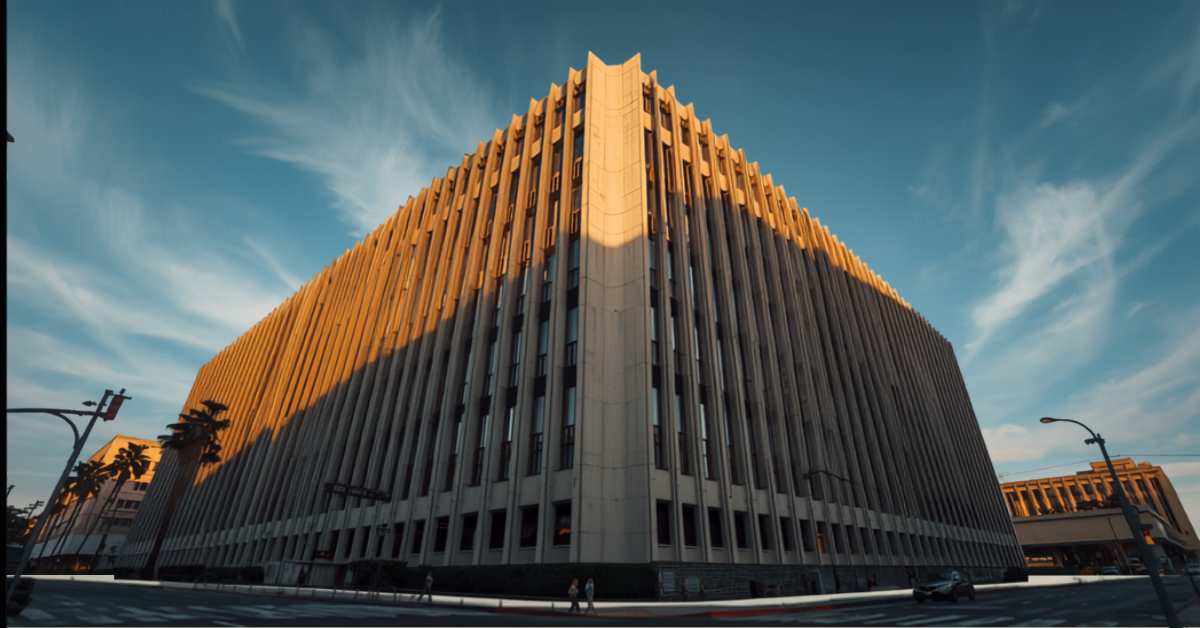
Probate cases with Los Angeles County jurisdiction are handled by the Los Angeles County Superior Court, Central District, at the Stanley Mosk Courthouse Probate Department.
Address:
Stanley Mosk Courthouse, Probate Department
111 N. Hill St.
Los Angeles, CA 90012
Phone:
(213) 830-0850 (general)
(213) 830-0803 (records)
Hours:
Monday through Friday, 8:30am to 4:30pm.
The court’s website is lacourt.org, where you can find court forms, filing fees, and case lookup tools.

What Cases Does the Probate Court Handle?
The Stanley Mosk Courthouse Probate Department handles more than just decedent’s estates. It also oversees wills, trusts, guardianships, and conservatorships. If you’re dealing with a deceased family member’s assets specifically, you’re looking at the decedent’s estate side of probate, which covers appointing an estate representative, paying the estate’s debts, and distributing what’s left to heirs.
Do You Need Full Probate?
Not every estate has to go through the full probate process. If the decedent’s personal property is worth less than $239,700 (for deaths on or after April 1, 2026, this threshold adjusts periodically, so it’s worth confirming the current figure if you’re reading this later), California’s simplified small estate transfer procedure may let heirs collect assets using an affidavit instead of opening a full probate case. Real estate is generally handled separately and isn’t included in that threshold.
Who Can Serve as the Estate Representative?

The Estate Representative, also called the executor or administrator, can be named in the decedent’s will or appointed by the court if there’s no will. This person manages the estate throughout probate: identifying assets, notifying heirs and creditors, paying valid debts, and distributing what remains. For more on how this works when there’s no will, see our guide to what happens in California probate without a will.
Key Steps in the Los Angeles Probate Process
The general process looks like this:
- Identify and confirm the proposed estate representative
- File a Petition for Probate (Form DE-111) with the court
- Notify heirs, beneficiaries, and known creditors
- Inventory and appraise the estate’s assets
- Pay valid debts and taxes owed by the estate
- Distribute remaining assets to heirs and beneficiaries
Costs and administrator responsibilities vary by estate size. See our executor and administrator fee calculator for more on what to expect.
Finding a Probate Attorney
You aren’t required to hire an attorney to handle Los Angeles County probate, but many people choose to, especially for larger or more complicated estates. If you don’t already have one, the California State Bar’s Lawyer Referral Service can connect you with a probate attorney in the area. An attorney can help make sure filings are done correctly the first time, which matters in a court system as busy as Los Angeles County’s.
Waiting on Your Inheritance? ProbateLend Can Help

Los Angeles County probate cases can take months to fully resolve. If you’re facing expenses while a case works through the Stanley Mosk Courthouse, a probate advance gives you access to a portion of your expected inheritance now instead of waiting for the estate to close.
Frequently Asked Questions
Where do I file a probate case in Los Angeles County?
Probate cases in Los Angeles County are filed at the Stanley Mosk Courthouse, 111 N. Hill St., Los Angeles, CA 90012.
Does every estate need to go through full probate?
No. Estates with personal property under the current small estate threshold ($239,700 for deaths on or after April 1, 2026) may qualify for a simplified transfer process instead of full probate.
Who becomes the estate representative if there’s no will?
The court appoints an administrator, generally following a priority order that starts with a surviving spouse or domestic partner, then children and other close relatives.
How long does probate take in Los Angeles County?
Most cases take 9 to 18 months, depending on the estate’s size and complexity and whether anyone contests the proceedings.
Can I access money from the estate before probate closes?
Yes. An inheritance advance lets eligible heirs access part of their expected share before the estate finishes probate, without waiting for the court process to complete.
ProbateLend offers a Los Angeles County probate advance that gives heirs access to a portion of their inheritance now. Handling a Los Angeles County probate case doesn’t mean waiting on money that’s already yours. See if you qualify for a probate advance with ProbateLend.


Why Wait? Get Probate Cash Now
The California probate process can take 12 months or more. If you can’t wait for your inheritance, we have you covered! Our simple application and streamlined underwriting can get money in your pocket within 24 hours. Probate Lend provides the best pricing and service for all California Counties.