If you’re handling an estate in San Bernardino County, it helps to know that where probate is filed has changed in recent years. Here’s a current, practical rundown of San Bernardino County probate.
Quick Answer: Where Do I File Probate in San Bernardino County?
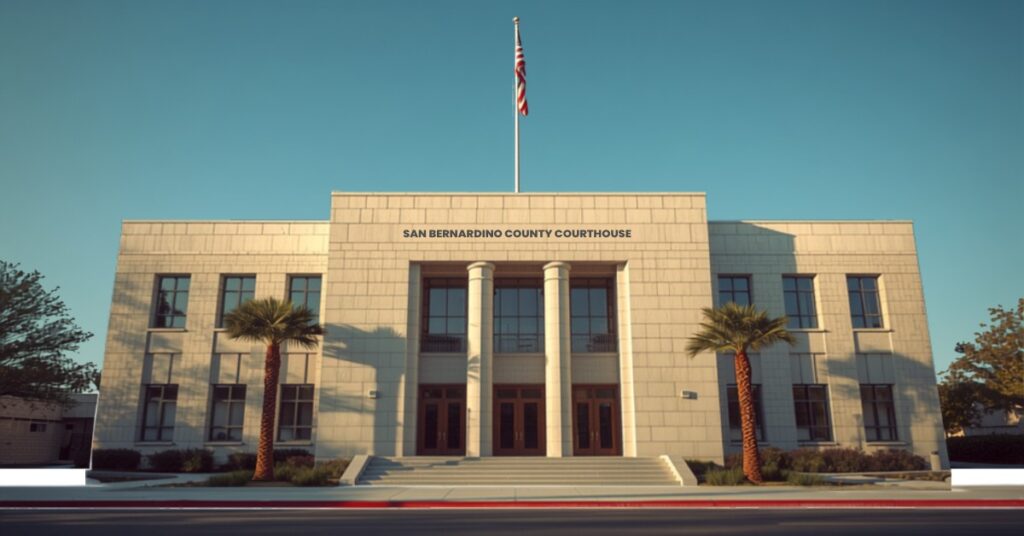
Probate matters in San Bernardino County are filed and heard at the Fontana District, 17780 Arrow Boulevard, Fontana, CA 92335, and the Victorville District, 14455 Civic Drive, Victorville, CA 92392, both reachable at (909) 521-3388. The Probate Clerk’s Office relocated from the old San Bernardino Justice Center to Fontana in February 2024, so older references to a San Bernardino District or Rancho Cucamonga location are outdated.
San Bernardino County Probate Court Locations, Contact Info, and Hours
Fontana District (Probate Clerk’s Office): 17780 Arrow Boulevard Fontana, CA 92335 Phone: (909) 521-3388
Hours: Both locations: Monday through Friday, 8:00am to 4:00pm.
The Needles District also handles a narrower set of probate case types, including affidavits for real property of small value, guardianships, petitions to determine succession to real property, and petitions to establish facts of birth, death, or marriage. For most decedent’s estate matters, Fontana and Victorville are the two locations that matter.
What Is Probate?
Probate is the legal process of administering a deceased person’s estate: resolving debts, notifying heirs and creditors, and distributing assets under court supervision. For a broader overview of how the process works statewide, see our guide to the California Probate Code.
Filing Petitions Online
San Bernardino County offers the Court Access Portal (CAP) for filing probate petitions and motions online, which lets you submit documents, access forms, and receive email updates on your filing’s status without a trip to the courthouse. Probate Notes for scheduled hearings are also available through CAP, typically posted about two weeks before a hearing.
Do You Need Full Probate?
Probate isn’t always required. If the decedent held assets in a trust or with named beneficiaries, those assets can often bypass probate entirely. Living trusts, beneficiary designations, joint ownership with rights of survivorship, and transfer-on-death deeds are common ways estates avoid the process. For more on what happens when there’s no will guiding distribution, see our guide to probate in California without a will.
Getting Help
Contacting the Probate Clerk’s Office directly is the most reliable way to confirm filing procedures and document requirements for your specific case. For those who need broader legal assistance, the Legal Aid Society of San Bernardino and Inland Counties Legal Services can provide guidance for qualifying individuals.
Need Funds? ProbateLend Can Help
San Bernardino County probate cases can take months to fully resolve. If you’re facing expenses while a case works through the Fontana or Victorville District, a probate advance gives you access to a portion of your expected inheritance now instead of waiting for the estate to close.
Frequently Asked Questions
Where do I file a probate case in San Bernardino County?
Probate matters are filed and heard at the Fontana District, 17780 Arrow Boulevard, Fontana, CA 92335, and the Victorville District, 14455 Civic Drive, Victorville, CA 92392.
Has the San Bernardino County probate court location changed?
Yes. The Probate Clerk’s Office moved from the old San Bernardino Justice Center to the Fontana District in February 2024. Rancho Cucamonga is no longer a probate filing location.
Can I file probate petitions online in San Bernardino County?
Yes, through the Court Access Portal (CAP), which allows electronic filing, form access, and email status updates.
Is probate always necessary in San Bernardino County?
No. Assets held in a trust or with designated beneficiaries can often bypass probate entirely.
Can I get money from an estate before San Bernardino County probate closes?
Yes. An inheritance advance lets eligible heirs access part of their expected share before the estate distributes, without waiting for the court process to finish.
The California probate process can take 12 months or more. If you can’t wait for your inheritance, we have you covered! Our simple application and streamlined underwriting can get money in your pocket within 24 hours. Probate Lendprovides the best pricing and service for all CaliforniaCounties.
If you’re handling an estate in Riverside County, one thing trips people up fast: probate isn’t handled at a single courthouse here. This guide covers the three regional probate filing locations, contact information, and what to expect if you’re opening a case.
Quick Answer: What Do I Need to Know About Riverside County Probate Court?
Riverside County probate cases are filed at one of three regional courthouses depending on where you live: Riverside, Temecula, or Palm Springs. Filing starts with a Petition for Probate, followed by notifying beneficiaries and creditors, inventorying assets, paying debts, and distributing what remains. Most Riverside County probate cases take 9 to 18 months, depending on the estate’s complexity and whether disputes arise.
Riverside County Probate Court Locations, Contact Information, and Hours
Riverside County splits probate filing across three regional courthouses, so the right location depends on where you live in the county.
Riverside Probate Court:
4050 Main Street Riverside, CA 92501 Phone: (951) 777-3147
Southwest / Temecula Probate Court:
41002 County Center Drive #100 Temecula, CA 92591 Phone: (951) 777-3147
Palm Springs / Desert Probate Court:
3255 E Tahquitz Canyon Way Palm Springs, CA 92262 Phone: (760) 393-2617
Hours:
Clerk’s offices are generally open Monday through Friday, 7:30 a.m. to 4:00 p.m., excluding court holidays, for in-person filing. Phone service is more limited, Monday through Friday, 7:30 a.m. to 2:00 p.m., with long wait times common. It’s best to call ahead to confirm hours before a visit.
What Does the Riverside County Probate Court Handle?
The probate division oversees estate administration after someone dies, along with guardianships and conservatorships for minors and adults who can’t manage their own affairs. The court validates wills, supervises asset distribution, resolves disputes among heirs, and oversees the payment of debts and taxes from the estate before anything is distributed to beneficiaries.
Steps for Filing Probate in Riverside County
Probate in Riverside County follows California’s general probate process. Here’s what filing typically involves.
1. File a Petition for Probate
Start by filing a Petition for Probate at the courthouse serving your area, along with the required filing fee, which varies by estate size. If no will exists, the court appoints an administrator instead of an executor. See our guide on letters of administration for what that process involves.
2. Notify Interested Parties
Once filed, you’re required to notify all beneficiaries, creditors, and other interested parties about the proceedings.
3. Inventory and Appraisal of Assets
The estate’s assets need to be inventoried and appraised to establish an accurate value for the estate.
4. Pay Debts and Taxes
Outstanding debts and applicable taxes are paid out of the estate before any assets are distributed to heirs.
5. Distribute Assets
Once debts and taxes are settled, remaining assets are distributed to heirs and beneficiaries according to the will or California’s intestacy laws.
eFiling in Riverside County
Riverside County supports electronic filing for probate documents through approved third-party providers, which can save a trip to the courthouse for routine filings. Complex or actively disputed cases may still require traditional in-person filing. See the court’s eFiling Service Providers page for the current list of approved vendors.
Need Funds? ProbateLend Can Help
Probate often takes months, sometimes longer, leaving heirs waiting to access money that’s already theirs. If you’re facing expenses while a Riverside County case works its way through court, a probate advance in Riverside County gives you access to a portion of your expected inheritance now instead of waiting for the estate to close. There’s no credit check and no monthly payment, just a flat fee deducted from your share once the estate distributes.
Frequently Asked Questions
Where do I file a probate case in Riverside County?
It depends on where you live: the Riverside Probate Court at 4050 Main Street handles the Riverside region, the Southwest court in Temecula handles the southwest region, and the Palm Springs court handles the desert region.
How long does probate take in Riverside County?
Most cases take 9 to 18 months, depending on the estate’s size and complexity and whether beneficiaries or creditors dispute anything.
What happens if there’s no will?
When someone dies without a will, the court distributes the estate according to California’s intestacy laws, which prioritize close relatives like spouses and children, and appoints an administrator to handle the estate instead of an executor.
Can I eFile my Riverside County probate documents?
Yes, for most routine filings. Complex or disputed cases may still need to be filed in person.
Can I get money from an estate before Riverside County probate closes?
Yes. An inheritance advance lets eligible heirs access part of their expected share before the estate distributes, without waiting for the court process to finish.
The California probate process can take 12 months or more. If you can’t wait for your inheritance, we have you covered! Our simple application and streamlined underwriting can get money in your pocket within 24 hours. Probate Lendprovides the best pricing and service for all CaliforniaCounties.
If you’re handling an estate in San Diego County, knowing where to file, what the court expects, and where to find help makes the process much less overwhelming. Here’s a practical rundown of San Diego County probate.
Quick Answer: What Do I Need to Know About San Diego County Probate?
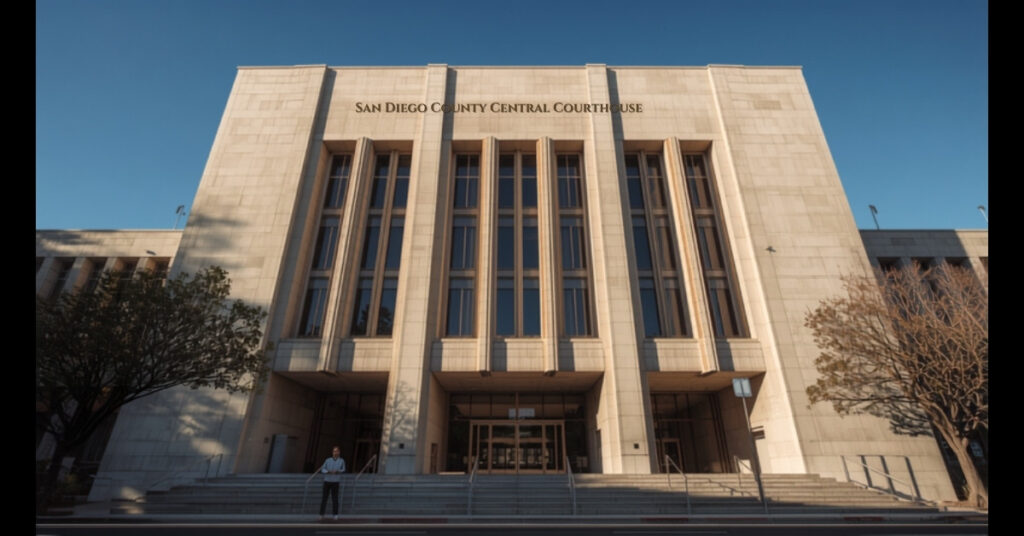
San Diego County probate cases are handled at the Central Courthouse, 1100 Union St., San Diego, CA 92101, on the Probate Business Office’s Third Floor, (619) 844-2676. The office is open 8:30am to 4:00pm Monday through Friday, and probate examiners are available by phone from 10:00am to 10:30am. Filing starts with a Petition for Probate, followed by notifying heirs and creditors, inventorying assets, and distributing the estate under court supervision.
San Diego County Probate Court Location, Contact Info, and Hours
Address: Central Courthouse, Probate Business Office 1100 Union St., Third Floor San Diego, CA 92101
Phone: (619) 844-2676 Phone hours: 8:30am to 11:30am, Monday through Friday Probate examiners available by phone: 10:00am to 10:30am
Hours: Monday through Friday, 8:30am to 4:00pm, excluding court holidays.
San Diego County also has a second location, the North County Regional Center at 325 South Melrose Drive, Vista, CA 92081, but it only accepts probate filings by drop box on the First Floor. All mailed correspondence should go to the Central Courthouse address above, and it’s worth including a self-addressed stamped envelope or messenger slip if you need documents returned.
What Is Probate?
Probate is the legal process of managing a deceased person’s estate, ensuring debts are paid and assets are distributed according to a will or California law if there isn’t one. For a deeper explanation of probate terminology, see our California probate terms glossary. The San Diego County Probate Court handles cases including decedent’s estates, guardianships, conservatorships, and trusts.
Key Steps in the San Diego County Probate Process
The general process looks like this:
Identify and confirm the proposed estate representative
File a Petition for Probate with the court
Notify heirs, beneficiaries, and known creditors
Inventory and appraise the estate’s assets
Pay valid debts and taxes owed by the estate
Distribute remaining assets to heirs and beneficiaries
Electronic filing through the county’s designated e-filing platform is common for represented parties, and the probate clerk’s office can point you to the correct portal. Costs and administrator responsibilities vary by estate size. See our executor and administrator fee calculator for more on what to expect.
Finding Legal Help in San Diego County
You aren’t required to hire an attorney to handle San Diego County probate, but many people choose to, especially for larger or contested estates. If cost is a concern, two local organizations offer free or low-cost help: the San Diego Volunteer Lawyer Program and the Legal Aid Society of San Diego. The California State Bar’s Lawyer Referral Service is another option if you’re looking for a paid probate attorney in the area.
Waiting on Your Inheritance? ProbateLend Can Help
San Diego County probate cases can take months to fully resolve. If you’re facing expenses while a case works through the Central Courthouse, a probate advance gives you access to a portion of your expected inheritance now instead of waiting for the estate to close.
Frequently Asked Questions
Where do I file a probate case in San Diego County?
Probate cases in San Diego County are filed at the Central Courthouse, 1100 Union St., San Diego, CA 92101, on the Probate Business Office’s Third Floor. Some filings can also be dropped off at the North County Regional Center in Vista, but only via drop box.
What are the office hours for the San Diego Probate Business Office?
The office is open Monday through Friday, 8:30am to 4:00pm, excluding court holidays. Probate examiners are only available by phone from 10:00am to 10:30am.
Is there free legal help for probate cases in San Diego County?
Yes. The San Diego Volunteer Lawyer Program and the Legal Aid Society of San Diego both offer assistance for qualifying individuals dealing with probate matters.
How long does probate take in San Diego County?
Most California probate cases take 9 to 18 months, depending on the estate’s size and complexity and whether anyone contests the proceedings.
Can I get money from an estate before San Diego County probate closes?
Yes. An inheritance advance lets eligible heirs access part of their expected share before the estate distributes, without waiting for the court process to finish.
The California probate process can take 12 months or more. If you can’t wait for your inheritance, we have you covered! Our simple application and streamlined underwriting can get money in your pocket within 24 hours. Probate Lendprovides the best pricing and service for all CaliforniaCounties.
Quick Answer: Orange County offers free, in-person help for preparing probate paperwork through six Self-Help Centers with Live Self-Help Kiosk Services, plus a specific “Clearing Your Probate Notes” workshop for anyone whose petition was flagged by the court’s probate examiners. You don’t need an attorney to get help understanding what the court’s Probate Notes are asking you to fix.
Orange County’s probate process involves more moving pieces than a lot of filers expect, examiners, staff attorneys, published notes, glossaries. If you need cash before your case wraps up, our Orange County probate advance page has the quick overview. If you’re preparing to file or already stuck on a deficiency the court flagged, here’s where the real help is and how to use it.
What Are Probate Notes, and Why Do They Matter?
Every petition set for a hearing gets reviewed by a probate examiner three to four weeks beforehand. The examiner checks that your paperwork is complete and matches California law, local court rules, and notice requirements, then posts a written summary called Probate Notes if anything is missing or needs fixing. You can view your case’s notes online through the court’s Probate Notes system starting about three to four weeks before your hearing date. If you don’t clear the flagged issues before the hearing, expect a continuance rather than an approval.
Get Help Clearing Your Probate Notes
Orange County runs a dedicated “Clearing Your Probate Notes Workshop,” available in English, Spanish, and Vietnamese, specifically to help self-represented filers understand and fix what an examiner flagged. This is a genuinely useful resource that a lot of heirs and executors never find on their own, since it’s easy to assume a flagged petition means you need to hire an attorney immediately. The court also has a Probate Glossary to help decode the legal terminology that shows up in notes and forms.
Where to Get In-Person Help
Six Orange County courthouses offer Self-Help Center services covering probate matters, though the format differs by location:
Central Justice Center (Santa Ana): In-person assistance for probate, civil, small claims, and other matters, Monday-Thursday 8 a.m.-4 p.m., Friday 8 a.m.-3 p.m.
Costa Mesa Justice Complex, West Justice Center (Westminster), North Justice Center (Fullerton), and Harbor Justice Center (Newport Beach): Live Self-Help Kiosk Services covering probate and several other case types, same weekday hours
Costa Mesa Justice Complex is also where probate cases are actually heard and where the Probate Clerk’s Office is located, so it’s worth starting there if you’re filing new paperwork rather than just seeking guidance. If you need help specifically with a conservatorship, the court also runs an orientation session for new conservators. Whichever location you visit, bring a copy of your entire court file and a black pen, the self-help staff work from what you bring, not a court database lookup.
Forms, Local Rules, and Where to File
The court publishes both state Judicial Council forms and locally-approved Orange County forms for probate matters, along with the local Probate Rules of Court that supplement statewide procedure. For the actual courthouse address, contact information, and how to check your case status online, see our Orange County probate court guide, we won’t repeat that here.
Need Cash Before Your Probate Case Closes?
Clearing probate notes, attending hearings, and waiting on distribution can stretch a straightforward Orange County estate out for many months. If you’re an heir who needs money now rather than waiting for the process to finish, a probate cash advance lets you access a portion of your expected inheritance early, no monthly payments, repaid directly from your share once the estate closes. Read our step-by-step guide to how to get a probate advance in Orange County for the full application process.
Frequently Asked Questions
Do I have to pay for help at an Orange County Self-Help Center?
No, Self-Help Center services, workshops, and kiosk assistance are free. They can’t give you legal advice about your specific case, but they can help you understand forms, procedures, and what a probate note is asking for.
How long before my hearing can I see my Probate Notes?
Notes are typically posted online three to four weeks before your scheduled hearing date. Checking early gives you time to fix any flagged issues before the court reviews your case again.
What happens if I don’t fix an issue flagged in my Probate Notes before the hearing?
The judge generally can’t approve a petition with unresolved deficiencies, so an uncleared note usually means your hearing gets continued to a later date rather than granted, adding weeks or months to your timeline.
Is the Costa Mesa Justice Complex the only place probate cases are heard in Orange County?
Yes, all Orange County probate matters are heard at Costa Mesa Justice Complex, even though several other courthouses offer Self-Help Center services for probate paperwork assistance.
Can the Self-Help Center help me with a guardianship or conservatorship case, not just decedent’s estates?
Yes. Self-Help Centers and workshops cover guardianship and conservatorship matters in addition to decedent’s estate probate, including a dedicated orientation session for people newly appointed as conservators.
Orange County gives self-represented filers more free support than a lot of counties do, if you know where to look. For heirs who need funds sooner than the court’s calendar allows, ProbateLend can help bridge the gap with a straightforward cash advance against your inheritance.
If you’re handling an estate in Los Angeles County, knowing where to file, what the court expects, and whether you even need full probate makes the process much less overwhelming. Here’s a practical rundown of Los Angeles County probate.
Quick Answer: What Do I Need to Know About LA County Probate?
Los Angeles County probate cases are handled at the Stanley Mosk Courthouse, 111 N. Hill St., Los Angeles, CA 90012, (213) 830-0850. Filing starts with a Petition for Probate (Form DE-111), followed by notifying heirs and creditors, inventorying assets, and distributing the estate. If the estate’s personal property is worth less than $239,700 (current threshold for deaths on or after April 1, 2026), it may qualify for a simplified small estate transfer instead of full probate.
Los Angeles County Probate Court Location and Contact Info
Probate cases with Los Angeles County jurisdiction are handled by the Los Angeles County Superior Court, Central District, at the Stanley Mosk Courthouse Probate Department.
Address: Stanley Mosk Courthouse, Probate Department 111 N. Hill St. Los Angeles, CA 90012
The court’s website is lacourt.org, where you can find court forms, filing fees, and case lookup tools.
What Cases Does the Probate Court Handle?
The Stanley Mosk Courthouse Probate Department handles more than just decedent’s estates. It also oversees wills, trusts, guardianships, and conservatorships. If you’re dealing with a deceased family member’s assets specifically, you’re looking at the decedent’s estate side of probate, which covers appointing an estate representative, paying the estate’s debts, and distributing what’s left to heirs.
Do You Need Full Probate?
Not every estate has to go through the full probate process. If the decedent’s personal property is worth less than $239,700 (for deaths on or after April 1, 2026, this threshold adjusts periodically, so it’s worth confirming the current figure if you’re reading this later), California’s simplified small estate transfer procedure may let heirs collect assets using an affidavit instead of opening a full probate case. Real estate is generally handled separately and isn’t included in that threshold.
Who Can Serve as the Estate Representative?
The Estate Representative, also called the executor or administrator, can be named in the decedent’s will or appointed by the court if there’s no will. This person manages the estate throughout probate: identifying assets, notifying heirs and creditors, paying valid debts, and distributing what remains. For more on how this works when there’s no will, see our guide to what happens in California probate without a will.
Key Steps in the Los Angeles Probate Process
The general process looks like this:
Identify and confirm the proposed estate representative
File a Petition for Probate (Form DE-111) with the court
Notify heirs, beneficiaries, and known creditors
Inventory and appraise the estate’s assets
Pay valid debts and taxes owed by the estate
Distribute remaining assets to heirs and beneficiaries
You aren’t required to hire an attorney to handle Los Angeles County probate, but many people choose to, especially for larger or more complicated estates. If you don’t already have one, the California State Bar’s Lawyer Referral Service can connect you with a probate attorney in the area. An attorney can help make sure filings are done correctly the first time, which matters in a court system as busy as Los Angeles County’s.
Waiting on Your Inheritance? ProbateLend Can Help
Los Angeles County probate cases can take months to fully resolve. If you’re facing expenses while a case works through the Stanley Mosk Courthouse, a probate advance gives you access to a portion of your expected inheritance now instead of waiting for the estate to close.
Frequently Asked Questions
Where do I file a probate case in Los Angeles County?
Probate cases in Los Angeles County are filed at the Stanley Mosk Courthouse, 111 N. Hill St., Los Angeles, CA 90012.
Does every estate need to go through full probate?
No. Estates with personal property under the current small estate threshold ($239,700 for deaths on or after April 1, 2026) may qualify for a simplified transfer process instead of full probate.
Who becomes the estate representative if there’s no will?
The court appoints an administrator, generally following a priority order that starts with a surviving spouse or domestic partner, then children and other close relatives.
How long does probate take in Los Angeles County?
Most cases take 9 to 18 months, depending on the estate’s size and complexity and whether anyone contests the proceedings.
Can I access money from the estate before probate closes?
Yes. An inheritance advance lets eligible heirs access part of their expected share before the estate finishes probate, without waiting for the court process to complete.
The California probate process can take 12 months or more. If you can’t wait for your inheritance, we have you covered! Our simple application and streamlined underwriting can get money in your pocket within 24 hours. Probate Lendprovides the best pricing and service for all CaliforniaCounties.
Did you know that navigating the Fresno County Probate Court process at the courthouse can be overwhelming without proper resources? Finding the right tools and guidance is crucial for a smooth probate experience. In this post, we unveil essential Fresno County Probate Court resources to simplify your journey. From understanding the court’s procedures to accessing support services, these resources are designed to assist you every step of the way. Whether you’re dealing with estate matters, having access to reliable information can make a significant difference in your probate proceedings.
Stay tuned as we uncover valuable insights and practical tips to help you leverage Fresno County Probate Court resources effectively for a seamless probate process.
Key Takeaways
Utilize Online Resources: Take advantage of accessing probate forms online to streamline the process and save time.
Plan Ahead: When dealing with probate in Fresno County, ensure you understand the process and set a hearing date promptly to avoid delays.
Stay Informed: Keep track of the probate calendar notes for updates and important information regarding your case.
Seek Assistance: Utilize court interpreter services if language barriers are a concern during probate proceedings.
Tap into Support: Contact probate referees and support services available in Fresno County for guidance and assistance throughout the probate process.
Understanding Probate in Fresno County
Probate Definition and Significance
Probate is the legal process of distributing a deceased person’s assets and settling their debts under court supervision. It is crucial for ensuring that certain probate matters, probate documents, and debts are paid in the probate department. Probate helps prevent disputes among beneficiaries and provides a transparent framework for estate distribution.
Roles of Probate Clerk and Probate Examiners
The Probate Clerk assists with filing documents, scheduling hearings, and managing administrative tasks related to probate cases. They play a vital role in maintaining accurate records and facilitating communication between the court and involved parties. On the other hand, Probate Examiners review estate accountings, legal documents, and proposed distributions to ensure compliance with laws and regulations. Their thorough examinations help safeguard the interests of beneficiaries and creditors.
Importance of Addressing Deficiencies
Addressing deficiencies identified by Probate Examiners is crucial for a smooth probate process. Failing to rectify noted deficiencies can result in delays, additional costs, and potential legal challenges. By promptly addressing these issues, individuals can expedite the probate proceedings, minimize complications, and ensure that the estate is distributed correctly.
Setting a Hearing Date
Probate Clerk
After filing a petition, individuals must navigate the process of setting a hearing date in Fresno County Probate Court. The Probate Clerk plays a crucial role in this procedure, assisting petitioners in scheduling their hearings efficiently. They provide guidance on the required documentation and ensure that all necessary steps are completed accurately.
The Probate Clerk oversees the allocation of hearing dates based on the court’s availability and the nature of the matter at hand. By coordinating with various parties involved in the probate process, they streamline the scheduling process to minimize delays and expedite proceedings. Petitioners can rely on the expertise of the Probate Clerk, examiner, to navigate the complexities of setting a hearing date effectively.
Impact of Delays
Delays in setting a hearing date can significantly impact the probate process in Fresno County. Procrastination or inefficiencies in securing a hearing date may prolong the resolution of estate matters, causing frustration for all parties involved. Moreover, delays can lead to increased costs and administrative burdens, hindering the timely distribution of assets to beneficiaries.
The efficiency of setting a hearing date is paramount in ensuring a smooth probate process. By promptly addressing scheduling issues and adhering to prescribed timelines, individuals can prevent unnecessary delays and expedite the resolution of estate affairs. Effective communication with the Probate Clerk and proactive engagement in the scheduling process are essential to mitigate potential setbacks and facilitate a seamless probate experience.
Accessing Probate Forms Online
Available Forms
The official Fresno County Probate Court website is a valuable resource for accessing probate documents. Users can easily navigate the site to find a variety of official court forms available for download. These forms are essential for initiating and processing probate cases efficiently.
Types of Forms
Users can find a range of law forms on the website, including forms for initiating probate proceedings, submitting inventories of assets, and more. These forms are crucial for ensuring that all necessary information is provided to the court accurately.
Using Typed or Printed Forms
To comply with court requirements, it is recommended to use Adobe Acrobat Reader to fill out the forms electronically or print them for manual completion. Note that handwritten forms may not be accepted by the court, emphasizing the importance of using typed or printed forms.
Probate Court Location and Information
Address
The Fresno County Probate Department is situated at 1130 O Street, Fresno, California. This location serves as a crucial hub for individuals dealing with probate matters.
Contact Details
For inquiries, you can reach the Probate Department by phone at (559) 457-2100.
In case you need to send any documents via fax, the number is (559) 457-2141.
Email Communication
If you prefer email communication, you can directly contact the Probate Zoom Coordinator at probate@fresno.courts.ca.gov. This channel ensures efficient and prompt responses to your queries related to probate code and proceedings.
When visiting the Legal Information Reference Center, individuals can access valuable resources on information and content related to probate matters. The center offers essential guidance for navigating legal procedures effectively.
Benefits of Physical Visits
Directly interacting with court personnel can provide clarity on complex probate issues.
Access to physical resources like forms and guides can streamline the probate process.
Viewing Probate Calendar Notes
Accessing Notes
To access probate examiner notes, visit the Fresno County Probate Court website. Look for a section dedicated to calendar notes. Click on the part or type of note you are interested in viewing.
Once you have located the desired notes, click on them to open in a compatible viewer like Adobe Reader. Ensure your device has the necessary software to view the notes without any issues.
Importance of Reviewing
Reviewing calendar notes is crucial for staying informed about upcoming hearings and court proceedings. These notes contain essential details about cases, including dates, times, and specific requirements for each hearing.
By regularly checking the probate calendar notes, you can stay updated on any changes or additions to the schedule. This ensures that you are well-prepared for any hearings you need to attend, avoiding potential delays or misunderstandings.
Information Included
Probate calendar notes typically include information such as case numbers, parties involved, hearing dates, and any additional instructions from the court. They may also provide details on required documents or actions needed before the scheduled hearings.
Being familiar with the contents of these notes can help you plan accordingly and meet all necessary deadlines and requirements set by the court. This proactive approach can streamline the probate process and prevent any last-minute complications.
Remote Video Hearings
Participation Requirements
To participate in probate remote hearings, individuals must ensure they have the necessary technology and software. This includes a stable internet connection, a computer or smartphone with a camera, and the Zoom application installed. Probate remote appearances are facilitated through this platform to streamline the process.
Steps for Participation
Preparation: Before the hearing, ensure all required paperwork and documents are organized and accessible. Familiarize yourself with the local rules and procedures for remote appearance.
Logging In: On the scheduled date and time, log into the designated Zoom meeting using the provided link or meeting ID. Ensure your audio and video settings are functioning correctly.
Joining the Hearing: Once inside the virtual courtroom, wait for instructions from the panel on how to proceed. Be prepared to present your case effectively through your camera and microphone.
Engagement: Actively participate in discussions by following the court’s guidelines and presenting your arguments clearly. Utilize the chat feature or raise your hand virtually to communicate with the judge.
Benefits of Remote Hearings
Accessibility: By allowing parties to join remotely, individuals from different locations can participate without the need for travel. This enhances access to justice for all involved.
Convenience: Eliminating the need to physically appear in court saves time and resources for both parties involved in probate matters. It also reduces the burden of navigating through traffic or finding parking spaces.
Court Interpreter Services
Request Process
To ensure clear communication during probate hearings, Fresno County Probate Court offers court interpreter services for non-English speakers. If you require an interpreter, you must request one in advance.
When needing an interpreter, inform your attorney or the court clerk as soon as possible. They will guide you through the process of requesting an interpreter for your court proceedings.
Importance of Clear Communication
Clear communication is crucial during probate hearings to ensure that all parties understand the proceedings accurately. Misunderstandings due to language barriers can lead to errors in legal documentation and proceedings.
Having a qualified court interpreter present helps non-English speakers fully comprehend the court’s procedures, their rights, and any legal requirements they need to fulfill. This ensures fair treatment and access to justice for all individuals involved.
Benefits of Interpreter Services
Facilitates accurate understanding of court orders and decisions
Helps in providing testimony or presenting evidence effectively
Contacting Probate Referees
Probate Examiners
Probate examiners in Fresno County play a crucial role in estate evaluations. They help ensure the fair distribution of assets by assessing the value of properties and other assets within an estate.
When needing guidance on specific probate matters, individuals can contact probate referees to navigate through the complexities of the probate process. These professionals provide valuable insights and expertise to facilitate a smooth estate settlement.
Contact Information
Name: Steven D. Diebert
Phone Number: 559-431-7486
Email: Sdiebert@att.net
Address: 2037 W. Bullard, #349, Fresno, CA. 93711-1200
Probate referees act as neutral third parties, assisting in resolving disputes that may arise during the probate proceedings. Their impartiality ensures a fair assessment of the estate’s value, benefiting all parties involved.
Individuals dealing with probate cases can benefit from reaching out to probate examiners for their expertise in evaluating assets and providing accurate assessments. This can streamline the probate process and prevent potential conflicts among beneficiaries.
In situations where disagreements occur between beneficiaries regarding asset valuations or distributions, probate referees can step in to offer unbiased opinions. Their recommendations are based on thorough assessments of the estate’s assets and values.
Role of Probate Referees
Assessing Assets: Probate referees evaluate the value of real estate, personal property, and financial assets within an estate.
Providing Fair Valuations: They ensure that assets are accurately appraised to facilitate fair distribution among beneficiaries.
Resolving Disputes: Probate referees help settle disagreements by offering neutral assessments and recommendations.
Support Services in Probate Court
Legal Assistance
Many individuals dealing with certain probate matters may require legal guidance. Family court services can provide assistance in navigating the complexities of the probate division. These services offer support in understanding procedural requirements and completing necessary paperwork.
Probate Court Examiner
A probate court examiner plays a crucial role in ensuring that all pleadings and proceedings meet the general probate standards. They review petitions and other documents to identify any potential deficiencies. By addressing these issues, the examiner helps streamline the probate process.
Community Organizations
In addition to the court services, several community organizations offer valuable resources for individuals with legal needs related to probate matters. These organizations specialize in providing support for various legal proceedings, including small claims court cases and family law cases. They assist individuals in understanding the small claims process and offer guidance on navigating legal challenges.
Zoom Probate Matters
With the advancement of technology, many probate courts now offer zoom probate matters to facilitate remote participation. This virtual platform enables individuals to attend court hearings and meetings without being physically present. It provides a convenient way for parties involved in probate cases to engage with the court system.
Additional Support Services
Apart from legal assistance and community organizations, probate courts also offer additional support services to help individuals through the probate process. These services include guidance on filling out forms, understanding court procedures, and addressing any questions or concerns that may arise during the proceedings.
Summary
After delving into the intricacies of probate processes in Fresno County, you now possess a comprehensive understanding of how to navigate the probate court system efficiently. By learning how to set a hearing date, access necessary forms online, utilize remote video hearings, and leverage support services available, you are well-equipped to handle probate matters with confidence. The insights gained on court interpreter services, contacting probate referees, and viewing probate calendar notes further empower you to streamline your probate proceedings effectively.
Take charge of your probate journey armed with this newfound knowledge. Utilize the resources provided to ensure a smooth and successful experience in Fresno County’s probate court. By proactively engaging with the information and services outlined, you can navigate the probate process seamlessly while securing the best possible outcomes for your circumstances.
Frequently Asked Questions
How can I access probate forms online?
To access probate forms online, you can visit the official website of Fresno County Probate Court. They provide a downloadable version of all necessary forms for probate proceedings. This allows you to conveniently fill out the forms in advance before submitting them to the court.
Where can I find information about setting a hearing date?
Information regarding setting a hearing date in Fresno County Probate Court can be found under the “Setting a Hearing Date” section of their website. It outlines the procedures, requirements, and available dates for scheduling probate hearings.
How do I contact probate referees for assistance?
You can easily contact probate referees for assistance by referring to the contact details provided on the Fresno County Probate Court’s official website. The court typically offers information on how to reach out to probate referees for guidance and support during the probate process.
What are the available support services in Probate Court?
Fresno County Probate Court offers various support services to assist individuals navigating through the probate process. These services may include legal aid resources, counseling services, guidance on filling out forms, and general assistance with probate-related inquiries.
Can I attend remote video hearings for probate cases?
Yes, Fresno County Probate Court offers remote video hearings as an option for attending probate proceedings. This enables individuals to participate in hearings virtually from any location with internet access. Information on how to join these remote hearings is usually provided by the court upon scheduling.
The California probate process can take 12 months or more. If you can’t wait for your inheritance, we have you covered! Our simple application and streamlined underwriting can get money in your pocket within 24 hours. Probate Lendprovides the best pricing and service for all CaliforniaCounties.
Sacramento County probate cases, including decedents’ estates, trusts, conservatorships, and guardianships, are handled by the Probate Division of the Sacramento Superior Court at the William R. Ridgeway Family Relations Courthouse, 3341 Power Inn Road, Sacramento, CA 95826. Not every estate needs a full probate case: if the estate is worth $166,250 or less, California offers faster, cheaper alternatives that skip most of the court process entirely.
Quick Answer: Where and How Do You File Probate in Sacramento County?
Probate cases in Sacramento County are filed with the Superior Court’s Probate Division at the William R. Ridgeway Family Relations Courthouse (3341 Power Inn Road, Sacramento, CA 95826). You’ll need a completed petition (the type depends on whether there’s a will), the original will if one exists. If the estate qualifies, you may be able to skip full probate using a small estate affidavit or succession petition instead. E-filing is available, or documents can be filed in person or by mail.
Where Is the Sacramento County Probate Court Located?
Probate matters are handled at the William R. Ridgeway Family Relations Courthouse, 3341 Power Inn Road, Sacramento, CA 95826 (916-875-3400). This is not the main downtown courthouse at 500 G Street, which handles only civil and criminal matters. Probate departments are on the 2nd floor (Departments 120–129) and 3rd floor (Departments 130–135). Business hours are 8:30 a.m. to 4:00 p.m., Monday through Friday, with the building itself open 8:00 a.m. to 5:00 p.m. Note that probate forms aren’t available for pickup at the courthouse itself. Download them from the court’s Fees, Payments and Forms page ahead of your visit.
What Types of Cases Does Sacramento County Probate Court Handle?
The Probate Division oversees four main case types: decedents’ estates (transferring a deceased person’s property), trusts (administering living and testamentary trusts), conservatorships (appointing someone to manage the finances or care of an adult who can’t care for themselves), and guardianships (appointing someone to manage the finances or care of a minor whose parents can’t care for them).
Do I Need Full Probate, or Does My Case Qualify for a Shortcut?
Not every estate has to go through full probate. California offers several shortcuts, and Sacramento County processes all of them:
Spousal Property Petition: Available to a surviving spouse or registered domestic partner when property passes entirely to them. There’s no dollar limit, but everything in the petition must go outright to the surviving spouse or partner.
Petition to Determine Succession to Real Property: If the gross estate is worth $166,250 or less and includes California real property, heirs can file this petition 40 days after the date of death instead of opening a full probate case.
Small Estate Affidavit: If the estate is $166,250 or less and consists only of personal property (bank accounts, for example), heirs can use a notarized affidavit under Probate Code §13100 instead of going to court at all, available 40 days after death.
Affidavit re Real Property of Small Value: If real property in the estate is worth $55,425 or less, this affidavit can be filed with the court (no hearing required) starting six months after death.
Each option has trade-offs, and the court can’t tell you which one fits your situation. That’s a conversation for a probate attorney or the Sacramento County Public Law Library.
What Documents Do I Need to Start a Probate Case in Sacramento County?
Within 30 days of a death, whoever holds the decedent’s will must lodge it with the Superior Court in the county where the decedent lived. From there, the petition you file depends on the situation: a Petition for Probate of Will and for Letters Testamentary if there’s a will naming an executor; a Petition for Probate of Will and for Letters of Administration with Will Annexed if there’s a will but no willing or named executor; or a Petition for Letters of Administration if there’s no will at all. A Petition for Letters of Special Administration can authorize limited or emergency action while a full petition is pending. California law also requires publishing a Notice of Petition to Administer Estate in an approved local newspaper before the hearing.
How Much Does It Cost to File Probate in Sacramento County?
Sacramento County accepts cash, check, money order, or credit card for filing fees and certified copies, with no added surcharge for using a card. Exact filing fees are listed on the court’s Fees and Forms page. Check there directly since fees are set by category and can change. If you can’t afford the fees, you can ask the court for a fee waiver rather than skip filing.
How Long Does Probate Take in Sacramento County?
Expect four to six weeks just to get an executor or administrator appointed after filing. From there, California law requires a minimum four-month wait after the Notice to Creditors goes out before the estate can be closed, and that’s the fastest case. Estates that need a federal estate tax return, have disputes among heirs, or include complex assets typically take considerably longer, often a year or more. If you don’t want to wait that long for your share, an inheritance advance lets heirs access a portion of their inheritance before the estate closes.
What Are Probate Calendar Notes in Sacramento County?
Before your hearing, the court’s Probate Attorneys review your petition and publish probate calendar notes flagging any legal or procedural deficiencies. These typically post about 10 days before the hearing on the court’s public portal. If your notes include something marked “NEEDED,” you must fix it: file a pleading that clears the deficiency, conforming to Local Rule 4.01, at least five days before the hearing date. Miss that window and your hearing may be continued.
How Do I File and Search Probate Case Records in Sacramento County?
Sacramento County offers probate e-filing, or you can file in person or by mail at the William R. Ridgeway Family Relations Courthouse. To search existing case records, use the court’s Public Portal. Once a petition is approved, the court issues Letters Testamentary or Letters of Administration. Keep certified copies handy, since banks, title companies, and tax authorities will typically ask to see them during estate administration.
Where Can I Find More Information on the Sacramento Probate Process?
The Sacramento Superior Court’s Probate Division page links out to forms, fee schedules, calendar notes, and case search tools. Most of what a straightforward filing requires is there. For a broader look at how California probate works statewide, see our California probate advance guide.
Frequently Asked Questions
Where is the Sacramento County probate court located?
Probate cases are handled at the William R. Ridgeway Family Relations Courthouse, 3341 Power Inn Road, Sacramento, CA 95826. This is not the downtown 500 G Street courthouse, which is civil and criminal only.
Do all estates have to go through full probate in Sacramento County?
No. Estates worth $166,250 or less may qualify for a small estate affidavit or succession petition, and surviving spouses can often use a spousal property petition regardless of estate value.
How long does probate take in Sacramento County?
At minimum, four to six weeks to appoint an executor plus a four-month creditor period after that, realistically a year or more for estates with disputes, real property, or federal estate tax filings.
What happens if my probate calendar notes have a “NEEDED” item?
You must file a pleading that clears the deficiency at least five days before your hearing date, or the hearing may be continued to a later date.
ProbateLend offers a Sacramento County probate advance that gives heirs access to a portion of their inheritance now. Can I get money from an inheritance before Sacramento County probate closes?
Yes, heirs to an estate going through Sacramento County probate can qualify for an inheritance advance, which provides a portion of the expected inheritance before the estate distributes. Learn more about how ProbateLend can help.
If you’re handling an estate in Alameda County, knowing exactly where to file and what the process involves makes things considerably less stressful. This guide covers the court’s correct filing location, contact information, case types, and what to expect along the way.
Quick Answer: What Do I Need to Know About Alameda County Probate Court?
Probate cases in Alameda County are filed exclusively at the Berkeley Courthouse, 2120 Martin Luther King Jr. Way, Berkeley, CA 94704, phone (510) 647-4439. Filing starts with a Petition for Probate, followed by notifying beneficiaries and creditors, inventorying assets, paying debts, and distributing what remains. Most Alameda County probate cases take 9 to 18 months, depending on the estate’s complexity and whether disputes arise.
What Is Probate, and Why Does It Matter?
Probate is the court-supervised process for settling a deceased person’s estate. If there’s a valid will, the court confirms it and oversees distribution of assets to the named heirs. Without a will, the estate is distributed according to California’s intestacy laws. For a broader look at how the process works statewide, see our California probate advance guide.
Alameda County Probate Court Location, Contact Information, and Hours
This is worth getting right, since the correct filing location for Alameda County probate cases isn’t always obvious.
Address:
Berkeley Courthouse 2120 Martin Luther King Jr. Way Berkeley, CA 94704
Phone Number:
(510) 647-4439
Operating Hours:
The court is generally open Monday through Friday, 8:30 a.m. to 4:00 p.m., excluding court holidays. It’s best to call ahead to confirm hours, since they can vary.
Filing Note:
Per the Alameda County Superior Court, probate documents can only be filed at the Berkeley Courthouse, not at the main Oakland courthouses used for most other case types. Some probate hearings for Department 103 are held at Oakland’s Wiley W. Manuel Courthouse, so double check your hearing notice for the correct location before you go.
What Cases Are Handled by Alameda County Probate Court?
Alameda County Probate Court handles legal matters related to estates, trusts, guardianships, and conservatorships. Common case types include estate administration, validation of wills, guardianship cases involving minors, conservatorship cases for adults who can’t manage their own affairs, and CARE Act Court matters, which address court-ordered treatment plans for certain individuals with untreated severe mental illness.
Steps for Filing Probate in Alameda County
Probate in Alameda County follows California’s general probate process. Here’s what filing typically involves.
1. File a Petition for Probate
Start by filing a Petition for Probate at the Berkeley Courthouse, along with the required filing fee, which varies by estate size. The court’s Probate Rules & Forms page has the current forms and packets.
2. Notify Interested Parties
Once filed, you’re required to notify all beneficiaries, creditors, and other interested parties about the proceedings.
3. Inventory and Appraisal of Assets
The estate’s assets need to be inventoried and appraised to establish an accurate value for the estate.
4. Pay Debts and Taxes
Outstanding debts and applicable taxes are paid out of the estate before any assets are distributed to heirs.
5. Distribute Assets
Once debts and taxes are settled, remaining assets are distributed to heirs and beneficiaries according to the will or California’s intestacy laws.
Tips for Navigating Alameda County Probate Court
A few things make the process noticeably smoother. Working with an experienced probate attorney can save time and help avoid costly mistakes, even though it’s possible to handle probate without one. Our probate attorney fee calculator can help you budget before you commit to representation. Keeping documents organized (death certificate, will, inventory forms) and submitted on time keeps the case moving, and it helps to track court deadlines carefully, since missing a filing window can add months to an already slow process. The court’s Self-Help Center can also point you toward guidance if you’re representing yourself.
Need Funds? ProbateLend Can Help
Probate often takes months, sometimes longer, leaving heirs waiting to access money that’s already theirs. If you’re facing expenses while an Alameda County case works its way through court, a probate advance in Alameda County gives you access to a portion of your expected inheritance now instead of waiting for the estate to close. There’s no credit check and no monthly payment, just a flat fee deducted from your share once the estate distributes.
Frequently Asked Questions
Where do I file a probate case in Alameda County?
All Alameda County probate filings go through the Berkeley Courthouse at 2120 Martin Luther King Jr. Way, Berkeley, CA 94704. Probate cases are not filed at the main Oakland courthouses used for most other case types.
How long does probate take in Alameda County?
Most cases take 9 to 18 months, depending on the estate’s size and complexity and whether beneficiaries or creditors dispute anything.
What happens if there’s no will?
When someone dies without a will, the court distributes the estate according to California’s intestacy laws, which prioritize close relatives like spouses and children.
Do I need a lawyer to file probate in Alameda County?
No, it’s not required, but an experienced probate attorney can help you avoid procedural mistakes that slow the case down or create liability.
Can I get money from an estate before Alameda County probate closes?
Yes. An inheritance advance lets eligible heirs access part of their expected share before the estate distributes, without waiting for the court process to finish.
The California probate process can take 12 months or more. If you can’t wait for your inheritance, we have you covered! Our simple application and streamlined underwriting can get money in your pocket within 24 hours. Probate Lendprovides the best pricing and service for all CaliforniaCounties.
If you’re handling an estate in Santa Clara County, knowing where to file and how to reach the court makes the process much less overwhelming. Here’s a current, practical rundown of Santa Clara County probate.
Quick Answer: What Do I Need to Know About Santa Clara County Probate?
Santa Clara County probate cases are handled at the Downtown Superior Court, 191 North First Street, San Jose, CA 95113. The Probate Division’s phone number is (408) 882-2654 (not the Civil Division’s number, which some older resources mistakenly list for probate), with phone service hours Monday through Thursday 8:30am to 3:00pm and Friday 8:30am to 12:00pm. The building itself is open Monday through Friday, 8:00am to 5:00pm.
Santa Clara County Probate Court Location and Contact Info
Address: Downtown Superior Court 191 North First Street San Jose, CA 95113
Phone Service Hours: Monday through Thursday, 8:30am to 3:00pm Friday, 8:30am to 12:00pm
Building Hours: Monday through Friday, 8:00am to 5:00pm.
If your case has been assigned a probate referee to handle asset appraisals, referees are assigned individually per case rather than through a shared department line. If you have questions about that process, call the Probate Clerk at the number above.
What Is Probate?
The Probate Division handles a wide range of matters beyond decedent’s estates, including trusts, conservatorships, guardianships, and petitions to establish facts of birth, death, or marriage. For a broader overview of how probate works statewide, see our guide to the California Probate Code.
Getting Help
You aren’t required to hire an attorney to handle Santa Clara County probate, and the court’s Self-Help Center offers workshops and resources for people representing themselves. If cost is a concern, legal aid organizations including Bay Area Legal Aid provide free or low-cost assistance to qualifying individuals, covering everything from interpreting legal documents to helping complete forms accurately. For a full rundown of the paperwork you’ll need along the way, see our guide to required documents for accessing an inheritance advance.
Need Funds? ProbateLend Can Help
Santa Clara County probate cases can take months to fully resolve. If you’re facing expenses while a case works through the Downtown Superior Court, a probate advance gives you access to a portion of your expected inheritance now instead of waiting for the estate to close.
Frequently Asked Questions
Where do I file a probate case in Santa Clara County?
Probate cases are filed at the Downtown Superior Court, 191 North First Street, San Jose, CA 95113.
What is the phone number for the Santa Clara County Probate Division?
(408) 882-2654. This is different from the Civil Division’s number, which is sometimes mistakenly listed for probate matters.
Is there free legal help available for probate cases in Santa Clara County?
Yes. The court’s Self-Help Center and legal aid organizations like Bay Area Legal Aid offer free or low-cost assistance to qualifying individuals.
What are the Probate Division’s phone hours?
Monday through Thursday, 8:30am to 3:00pm, and Friday, 8:30am to 12:00pm. The building itself is open Monday through Friday, 8:00am to 5:00pm.
Can I get money from an estate before Santa Clara County probate closes?
Yes. An inheritance advance lets eligible heirs access part of their expected share before the estate distributes, without waiting for the court process to finish.
The California probate process can take 12 months or more. If you can’t wait for your inheritance, we have you covered! Our simple application and streamlined underwriting can get money in your pocket within 24 hours. Probate Lendprovides the best pricing and service for all CaliforniaCounties.
If you’re handling an estate, conservatorship, or guardianship in Contra Costa County, knowing where to file and where to get help with the paperwork makes the process much less overwhelming. Here’s a practical rundown of Contra Costa County probate.
Quick Answer: What Do I Need to Know About Contra Costa County Probate?
Contra Costa County probate, guardianship, and conservatorship cases are all filed and heard at the Wakefield Taylor Courthouse, 725 Court Street, Martinez, CA 94553. The Probate Division’s direct line is (925) 608-2613. If you’re representing yourself in a limited conservatorship or guardianship case, the court’s Probate Facilitator can help with forms at no cost, and anyone appointed as a conservator must complete a Conservatorship Workshop before taking on the role.
Contra Costa County Probate Court Location, Contact Info, and Hours
Address: Wakefield Taylor Courthouse 725 Court Street Martinez, CA 94553
Hours: Courthouse building: 8:00am to 5:00pm Clerk’s office windows: 8:00am to 4:00pm Phones answered: 8:00am to 3:00pm
What Is Probate?
Probate is the court-supervised process of paying a deceased person’s debts and distributing their remaining property to heirs or beneficiaries. Conservatorships and guardianships are handled by the same Probate Division but serve a different purpose: a conservatorship lets the court appoint someone to manage the affairs of an adult who can’t manage them alone, while a guardianship gives someone legal authority over a minor child or their property. For a deeper explanation of the terminology involved, see our California probate terms glossary.
Getting Help With Forms: The Probate Facilitator and Conservatorship Workshop
If you’re representing yourself in a limited conservatorship or guardianship case involving a person only (no estate assets), the court’s Probate Facilitator, an attorney employed by the court, can help you understand and complete the required forms at no charge. Reach the Probate Facilitator by emailing probfac@contracosta.courts.ca.gov or leaving a voicemail at (925) 608-2066. Separately, anyone appointed as a conservator (except professional fiduciaries) is required to complete a Conservatorship Workshop covering the legal and financial responsibilities of the role; sign-up is mandatory in advance through the Contra Costa County Public Law Library at (925) 655-4627. For a broader look at what paperwork estates typically need, see our guide to required documents for an inheritance advance.
Need Funds? ProbateLend Can Help
Contra Costa County probate cases can take months to fully resolve. If you’re facing expenses while a case works through the court, a probate advance gives you access to a portion of your expected inheritance now instead of waiting for the estate to close.
Frequently Asked Questions
Is there a separate courthouse for guardianships or conservatorships in Contra Costa County?
No. Unlike counties that split cases across multiple courthouses by case type, Contra Costa handles probate, guardianship, and conservatorship matters all in one place: the Wakefield Taylor Courthouse in Martinez.
Does the Probate Facilitator help with full estate administration?
No. The Probate Facilitator specifically assists with limited conservatorship or guardianship of a person only, cases with no estate assets involved. For estate administration, probate petitions, or anything involving property, you’ll generally need to work directly with the court clerk or an attorney rather than the facilitator.
What happens if I’m appointed a conservator but don’t complete the workshop?
The Conservatorship Workshop is a requirement, not optional guidance, for anyone appointed as conservator except professional fiduciaries. Sign-up must happen in advance through the Public Law Library, so it’s worth scheduling as soon as you’re aware you’ll be appointed rather than waiting until after the court order.
Can I file probate documents after the clerk’s office closes?
Yes, within limits. Contra Costa County courthouses have drop boxes, and any document deposited between 8:00am and 5:00pm is deemed filed that same day, even though the clerk’s windows themselves close at 4:00pm.
Where can I get free legal information about probate in Contra Costa County?
The Contra Costa County Public Law Library in Martinez, open 8:00am to 5:00pm on weekdays, offers legal research materials and workshop information, including the required Conservatorship Workshop sign-up, separate from the court clerk’s office itself.
ProbateLend offers a Contra Costa County probate advance that gives heirs access to a portion of their inheritance now. Whether you’re just starting the Contra Costa County probate process or helping a family member through a conservatorship, knowing which office handles what saves a lot of unnecessary back and forth. If you need cash before the estate settles, ProbateLend can help.